
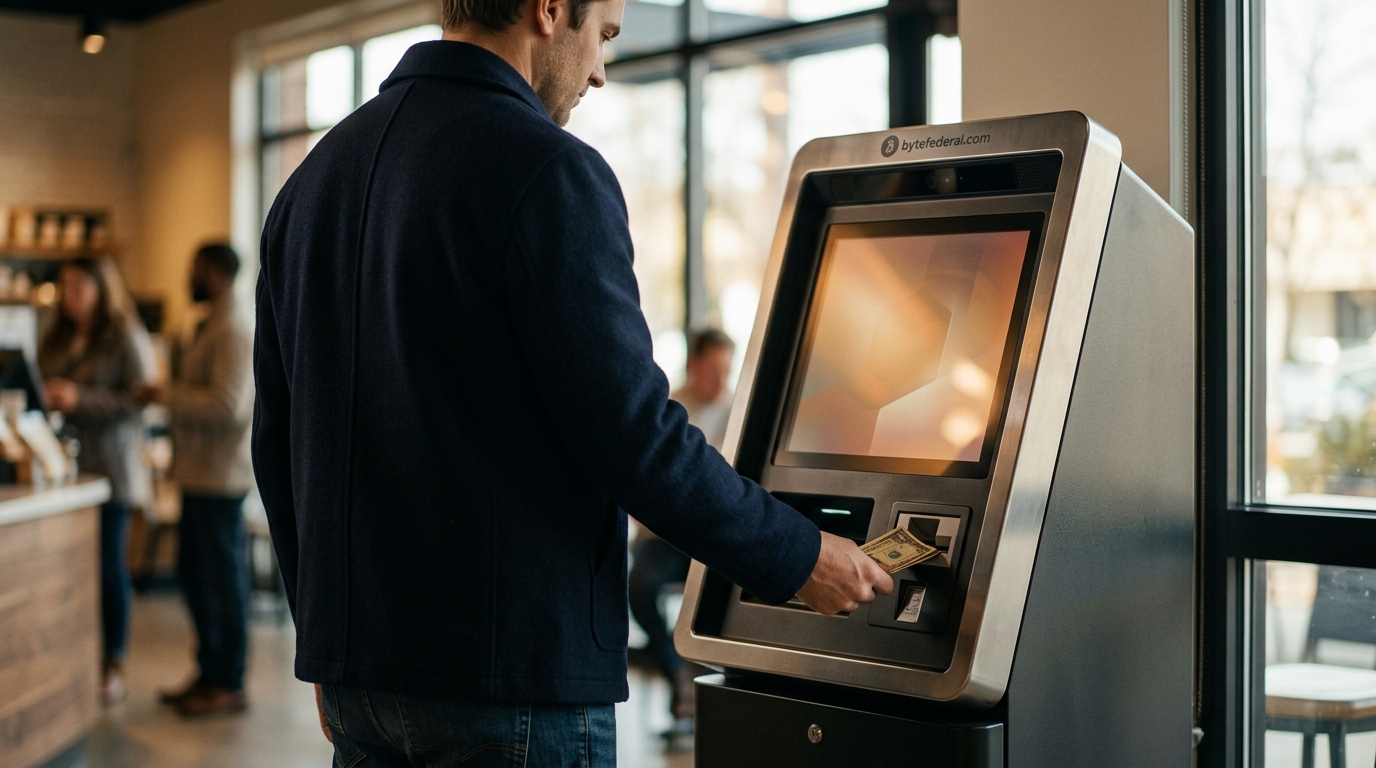
Using a Bitcoin ATM to convert cash into cryptocurrency offers unparalleled speed and privacy, but it comes with a significant cost premium. Industry data indicates that cash-to-crypto kiosks typically charge fees ranging from 10% to 20% per transaction. This rate is substantially higher than traditional online exchanges because the operator must cover hardware maintenance, cash logistics, and regulatory compliance costs. Understanding these fee structures is critical for anyone looking to maximize their investment capital while maintaining financial sovereignty.
Why Cash Kiosk Fees Are Higher
The primary driver behind high kiosk fees is the operational complexity of handling physical currency. Unlike digital exchanges that move data, Bitcoin ATM operators must manage cash collection, secure transport, and vault storage. Bitcoin Magazine has reported that the logistics of cash-in-transit services alone can consume a significant portion of the transaction margin. Furthermore, these machines require constant maintenance and security upgrades to prevent fraud and physical tampering.
Regulatory compliance also plays a major role in pricing. Operators must adhere to strict Anti-Money Laundering (AML) and Know Your Customer (KYC) regulations. FinCEN mandates that these businesses implement robust verification processes, which adds to the overhead costs passed on to the consumer. When you insert cash into a kiosk, you are paying for immediate access, privacy, and the physical infrastructure that makes the transaction possible.
Understanding the Fee Breakdown
Bitcoin ATM fees are rarely a single flat rate. They are typically composed of several layers that affect the final amount of cryptocurrency you receive. The most common structure includes a percentage-based transaction fee and a spread on the exchange rate.
Transaction Fees are charged by the kiosk operator for facilitating the trade. These fees can vary widely depending on the transaction size. Smaller transactions often incur higher percentage fees because the fixed costs of processing remain the same regardless of the amount. For example, a $50 transaction might have a 15% fee, while a $5,000 transaction might drop to 8%.
Exchange Rate Spreads represent the difference between the market price of Bitcoin and the price offered by the kiosk. Operators often add a markup to the live market rate to protect against volatility during the transaction window. This spread can range from 2% to 5% or more. It is crucial to check the displayed exchange rate before confirming any transaction to ensure you are getting a fair value.
Network Fees are also a component of the total cost. These are miner fees paid to the blockchain network to process your transaction. While these fees are generally lower than the operator's cut, they can spike during periods of high network congestion. CoinDesk notes that network fees can fluctuate dramatically, impacting the final delivery time and cost of your crypto.
Byte Federal's Transparent Approach
Byte Federal distinguishes itself in the crowded Bitcoin ATM market by prioritizing transparency and user education. As a leading provider of crypto infrastructure, Byte Federal aims to demystify the fee structure for its users. Their kiosks are designed to display all costs upfront, allowing users to see exactly how much they will pay before they insert any cash.
Byte Federal's ecosystem includes not just ATMs but also a comprehensive suite of tools like ByteAuth for secure, passwordless authentication and ByteConnect for point-of-sale solutions. This holistic approach ensures that users benefit from a secure and efficient experience across all touchpoints. By leveraging advanced cryptography and secure hardware, Byte Federal reduces the risk of fraud, which in turn helps keep operational costs and fees competitive.
Additionally, Byte Federal offers a merchandise store and educational resources to further engage with the community. Their commitment to financial freedom is reflected in their mission to provide accessible and fair financial tools. Users can also explore their APIs for custom integrations, highlighting their technical depth and commitment to innovation in the crypto space.
Kiosk vs. Online Exchange Fees
While cash kiosks offer convenience, they are not always the most cost-effective option. Understanding the difference between kiosk fees and online exchange fees can help you make informed decisions about how to acquire your cryptocurrency.
| Feature | Cash Bitcoin ATM | Online Exchange |
|---|---|---|
| Average Fee | 10% - 20% | 0.1% - 1% |
| Speed | Instant | 1-3 Days |
| Privacy | High (Lower limits) | Low (KYC Required) |
| Convenience | Physical Location | 24/7 Online |
| Best For | Urgent, Private Needs | Large Investments |
As shown in the table, online exchanges are significantly cheaper for large transactions. However, they require identity verification and bank account linking, which compromises privacy and speed. Cash kiosks are ideal for small, urgent purchases or for individuals who prefer to remain unbanked. Investopedia suggests that users should weigh the cost against the benefit of privacy and immediacy when choosing their acquisition method.
How to Minimize Your Costs
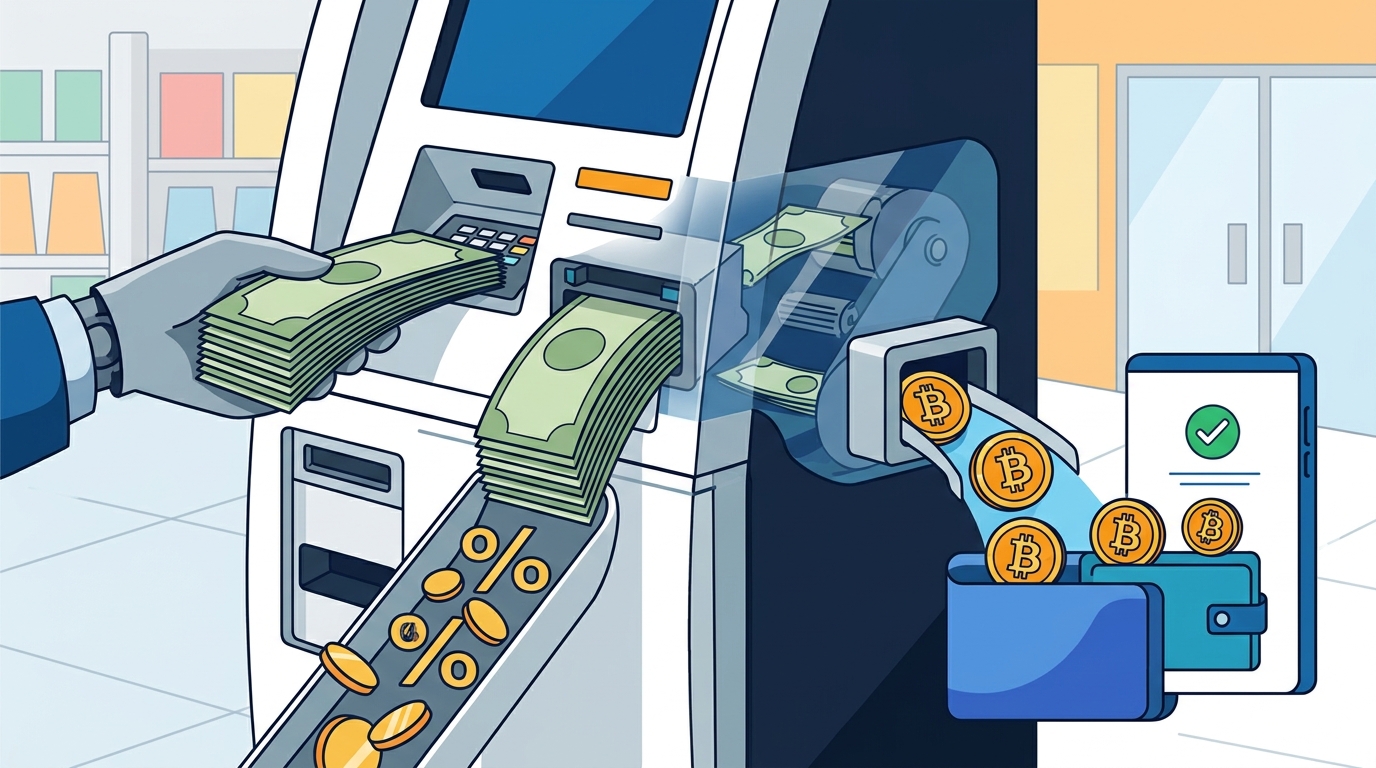
There are several strategies you can employ to reduce the fees associated with cash-to-crypto transactions. First, consider consolidating your purchases. Many kiosks offer lower percentage fees for larger transaction amounts. Instead of making multiple small purchases, try to accumulate your cash and make one larger transaction.
Second, compare fees across different kiosk networks. Not all Bitcoin ATMs charge the same rates. Bitcoin ATM Map allows users to search for nearby kiosks and compare their fee structures. Look for operators that prioritize transparency and offer competitive rates.
Third, consider using a non-custodial wallet like ByteVault to store your crypto securely. This ensures that you have full control over your assets and can move them to lower-fee exchanges when you are ready to trade larger amounts. By combining the immediacy of cash kiosks with the security of a self-custody wallet, you can optimize both your security and your costs.
Key Takeaways
- Cash-to-crypto kiosk fees typically range from 10% to 20%, significantly higher than online exchanges.
- Fees are composed of transaction fees, exchange rate spreads, and network miner fees.
- Byte Federal provides transparent fee structures and secure infrastructure for crypto transactions.
- Consolidating transactions into larger amounts can help reduce the percentage fee charged by operators.
- Privacy and speed are the primary benefits of using cash kiosks over traditional exchanges.
- Always compare fees across different kiosk networks before making a transaction.
- Using a non-custodial wallet like ByteVault ensures you maintain control over your assets.
Frequently Asked Questions
How much does it cost to buy Bitcoin with cash?
The cost varies by operator but generally ranges from 10% to 20% of the transaction amount. This includes both the operator's fee and the exchange rate spread.
Are Bitcoin ATM fees fixed or variable?
Bitcoin ATM fees are typically variable. They often decrease as a percentage for larger transaction amounts but can fluctuate based on network congestion and operator pricing models.
Can I avoid fees when buying crypto with cash?
While you cannot completely avoid fees, you can minimize them by choosing operators with transparent pricing, consolidating your transactions, and using networks like Byte Federal that prioritize fair pricing.
What is the difference between a kiosk fee and a network fee?
A kiosk fee is charged by the operator for facilitating the transaction and handling cash. A network fee is paid to miners to process the transaction on the blockchain. Both are separate costs.
Is it safe to use a Bitcoin ATM?
Yes, Bitcoin ATMs are generally safe if you use reputable operators like Byte Federal. Always verify the machine's legitimacy and double-check the recipient address before confirming any transaction.
How does Byte Federal ensure fair pricing?
Byte Federal displays all fees and exchange rates upfront on their kiosks and digital platforms. They also provide educational resources to help users understand the cost structure and make informed decisions.
What is the minimum amount to buy crypto at a kiosk?
The minimum amount varies by kiosk but is often around $10 to $20. Some operators may have higher minimums to cover their operational costs.
Do I need to verify my identity to use a Bitcoin ATM?
For smaller transactions, many kiosks allow anonymous purchases. However, for larger amounts, KYC (Know Your Customer) verification is required by law to prevent fraud and money laundering.
Start Your Journey
Understanding the fees associated with cash-to-crypto transactions is the first step toward financial empowerment. By choosing transparent operators like Byte Federal, you can navigate the crypto landscape with confidence and security. Visit our locations page to find a kiosk near you and start your journey toward financial freedom today.