
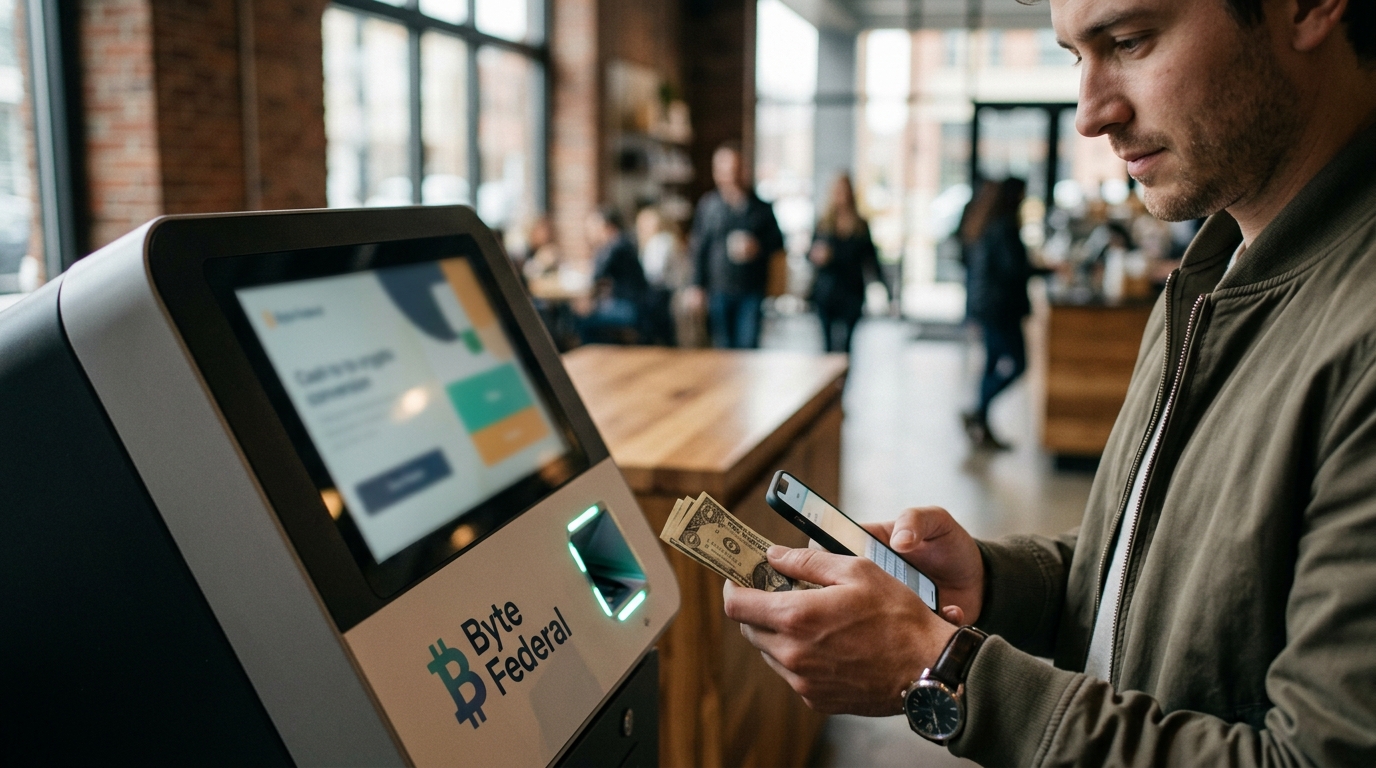
According to recent industry reports, the average transaction fee for converting fiat currency to digital assets at automated kiosks ranges between four and twelve percent. This pricing model reflects the operational costs of maintaining secure hardware, regulatory compliance, and real-time liquidity management. Understanding these costs helps users maximize their initial capital while navigating the evolving digital asset landscape. Financial institutions and independent operators structure these rates to cover cash handling, network bandwidth, and continuous security audits. Consumers should always review the displayed fee schedule before inserting physical currency. (Byte Federal Bitcoin ATMs)
How Kiosk Pricing Models Work
Cryptocurrency conversion is the process of exchanging fiat currency for digital assets through automated terminals. Most operators charge a flat percentage on the total transaction amount. This percentage typically covers network gas fees, cash processing logistics, and platform maintenance. Users will notice that smaller transactions often carry higher percentage rates. Larger transactions usually benefit from tiered pricing structures that reduce the overall cost per dollar.
Operators must balance accessibility with profitability. High cash volume requires secure vault management and frequent cash-in-transit services. These logistical expenses directly influence the final fee displayed on the touchscreen interface. Transparent platforms disclose all charges before the user confirms the transaction. Always verify the total output amount before finalizing the exchange.
Hidden Charges and Dynamic Spreads
Transaction spread is the difference between the buy and sell price of a digital asset at the point of sale. Some kiosks advertise low transaction fees but apply aggressive spreads to their exchange rates. This practice effectively increases the total cost without displaying a separate line item. Consumers should compare the displayed fee percentage against the actual exchange rate offered.
Dynamic pricing adjusts to real-time market volatility. When Bitcoin or Ethereum experiences rapid price swings, operators widen their spreads to protect against liquidity risks. This mechanism ensures that the kiosk can fulfill cash requests without suffering financial losses. Users trading during high-volatility periods should expect slightly elevated costs. Planning transactions during stable market conditions often yields better exchange rates.
Regional Regulatory Impact on Costs
Regulatory compliance is the mandatory adherence to financial reporting and anti-money laundering standards set by government agencies. Different jurisdictions impose varying reporting thresholds and verification requirements. Operators in heavily regulated regions must invest in advanced identity verification systems. These compliance costs are frequently passed on to the end user through slightly higher transaction fees.
State-level money transmitter licenses require regular audits and substantial capital reserves. Operators must also maintain detailed transaction logs for law enforcement requests. These administrative burdens directly impact the pricing matrix for cash-to-crypto conversions. Consumers in unregulated regions may encounter lower fees but face fewer consumer protections. Always verify the operator's licensing status before completing a transaction.
Byte Federal Fee Structure Overview
Byte Federal structures its pricing to prioritize accessibility for first-time users. The platform offers a twenty-five percent discount on initial transactions above fifty dollars. This promotional structure encourages new participants to explore digital asset ownership without excessive overhead. The standard transaction fee remains competitive with industry averages while maintaining enterprise-grade security protocols.
Users can access detailed pricing information directly through the official services page. The platform also provides a dedicated FAQ section that outlines all applicable charges. Transparent pricing ensures that customers know exactly how much digital currency they will receive. The interface displays the total fee breakdown before confirming any transaction. This approach eliminates surprise charges and builds long-term customer trust.
Comparing Standard vs Premium Kiosks
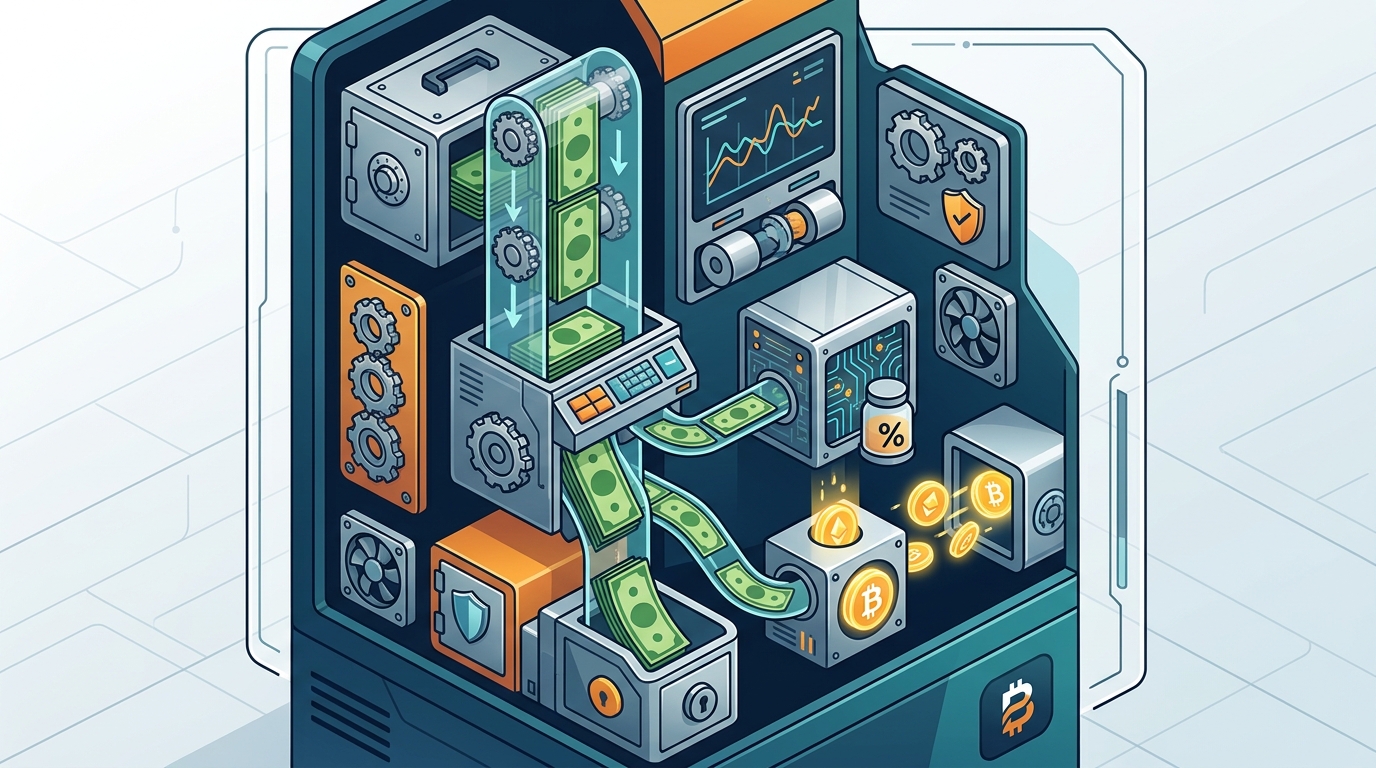
Standard kiosks typically offer basic functionality with lower operational overhead. These machines focus on core conversion capabilities and basic security features. Premium kiosks integrate advanced hardware, biometric verification, and expanded currency acceptance. The additional features justify slightly higher transaction fees for enterprise clients.
Businesses requiring high-volume transactions often prefer premium terminals. These machines support faster processing speeds and larger cash acceptance limits. They also include integrated marketing modules that allow third-party advertisers to display content. The advertising revenue generated by these screens often subsidizes lower transaction fees for end users. Consumers should evaluate their specific needs before selecting a terminal type.
| Kiosk Category | Typical Fee Range | Key Features | Best Use Case |
|---|---|---|---|
| Standard Terminal | Four to eight percent | Basic cash acceptance, standard verification | Casual individual transactions |
| Premium Terminal | Five to ten percent | Biometric verification, expanded currency limits | High-volume business operations |
| Ad-Integrated Kiosk | Three to seven percent | Sponsored content, interactive dashboards | Cost-conscious first-time users |
Strategies to Minimize Conversion Costs
Consumers can reduce overall expenses by consolidating transactions into larger batches. Most platforms charge a base fee plus a percentage. Larger transactions dilute the base fee across a higher total amount. This approach significantly lowers the effective cost per dollar exchanged.
Users should also monitor market conditions before executing transactions. Trading during periods of low volatility reduces spread-related costs. Many platforms offer loyalty programs that reward frequent transactions with reduced fees. Registering an account on the official registration portal often unlocks these discounted rates. Always compare multiple terminals in your area to find the most competitive pricing.
Key Takeaways
- Average cash-to-crypto conversion fees range between four and twelve percent.
- Transaction spreads often increase costs during high market volatility.
- Regulatory compliance requirements directly influence regional pricing structures.
- Byte Federal offers a twenty-five percent discount for first transactions above fifty dollars.
- Ad-integrated kiosks frequently subsidize lower transaction fees for end users.
- Consolidating transactions into larger batches reduces effective percentage costs.
- Platform verification and licensing status impact overall consumer protection levels.
Frequently Asked Questions
What is the minimum transaction amount for most kiosks?
Most automated terminals require a minimum cash insertion of twenty to fifty dollars. This threshold ensures that the transaction remains economically viable for the operator. Smaller amounts often trigger disproportionate percentage fees that reduce overall value.
Do fees change based on the cryptocurrency being purchased?
Yes, fees vary depending on the specific digital asset selected. Bitcoin transactions typically carry lower fees due to higher liquidity. Altcoins often incur higher percentages to account for narrower trading markets and increased volatility risks.
Are there any hidden charges I should watch for?
Operators must disclose all fees before transaction completion. However, dynamic spreads can effectively increase costs without displaying a separate line item. Always verify the final output amount before confirming the exchange.
How does regulatory compliance affect my transaction costs?
Operators in regulated jurisdictions must invest in identity verification and reporting systems. These compliance costs are frequently passed on to end users through slightly higher transaction fees. Unregulated regions may offer lower rates but provide fewer consumer protections.
Can I negotiate fees at a physical kiosk location?
Automated terminals operate on fixed pricing algorithms. Individual operators cannot manually adjust fees at the point of sale. Users should compare multiple locations to find the most competitive rates.
Do loyalty programs reduce transaction fees?
Many platforms offer discounted rates for registered users. Creating an account on the official platform often unlocks tiered pricing structures. Frequent transactions may also qualify for additional promotional discounts.
How often are kiosk fees updated?
Pricing structures adjust based on operational costs, market volatility, and regulatory changes. Most platforms update their fee schedules quarterly or during major market shifts. Users should review the current pricing matrix before each transaction.
Next Steps
Navigating cash-to-crypto conversions requires careful attention to fee structures and exchange rates. Byte Federal provides transparent pricing, enterprise-grade security, and a streamlined user experience. Visit the main platform to locate the nearest terminal and begin your first transaction today. Secure your financial future with reliable, accessible digital asset conversion.