

The cryptocurrency landscape in the United States has evolved from a niche digital experiment into a mainstream financial asset class. Byte Federal reports that over 42 states now host active Bitcoin ATM networks, signaling a massive shift toward decentralized finance adoption. However, owning crypto is only half the equation. The other half is securing it. For beginners, the sheer variety of wallet types can be overwhelming. This guide breaks down the essential options, security protocols, and practical tools you need to start your journey safely.
What Is a Crypto Wallet?
Before diving into specific brands, it is crucial to understand the fundamental technology. A crypto wallet is a software or hardware tool that stores your private keys. These keys are not just passwords; they are cryptographic proofs of ownership that allow you to sign transactions on the blockchain. Without the private key, you cannot access your funds. This distinction is vital because it means you are your own bank, but also your own security team.
For beginners, the most important concept is "self-custody." When you leave your crypto on an exchange, you do not truly own it; the exchange holds it for you. A dedicated wallet gives you full control. According to recent industry data, the number of active cryptocurrency addresses in the United States has grown significantly, reflecting this shift toward personal ownership. Understanding this dynamic is the first step in choosing the right tool for your needs.
Hot Wallets vs. Cold Wallets
The primary decision you will face is between hot and cold storage. Each has distinct advantages depending on your usage patterns and security tolerance.
Hot Wallets: Convenience for Daily Use
A hot wallet is a digital wallet connected to the internet. These are ideal for beginners who want to make frequent transactions, such as buying coffee or trading small amounts. They are easy to set up and often free to use. However, because they are online, they are theoretically more vulnerable to hacking. Popular examples include mobile apps like MetaMask or Trust Wallet. These wallets are perfect for holding smaller amounts of crypto that you plan to use actively.
Cold Wallets: Maximum Security for Savings
A cold wallet is a physical device that stores your private keys offline. This method is immune to online hacking attempts. If you plan to hold a significant amount of Bitcoin or Ethereum for the long term, a cold wallet is non-negotiable. Brands like Ledger and Trezor are industry standards. They require you to physically confirm transactions on the device, adding a layer of security that software alone cannot provide. The trade-off is convenience; you must have the physical device to access your funds.
Top Wallet Recommendations for 2026
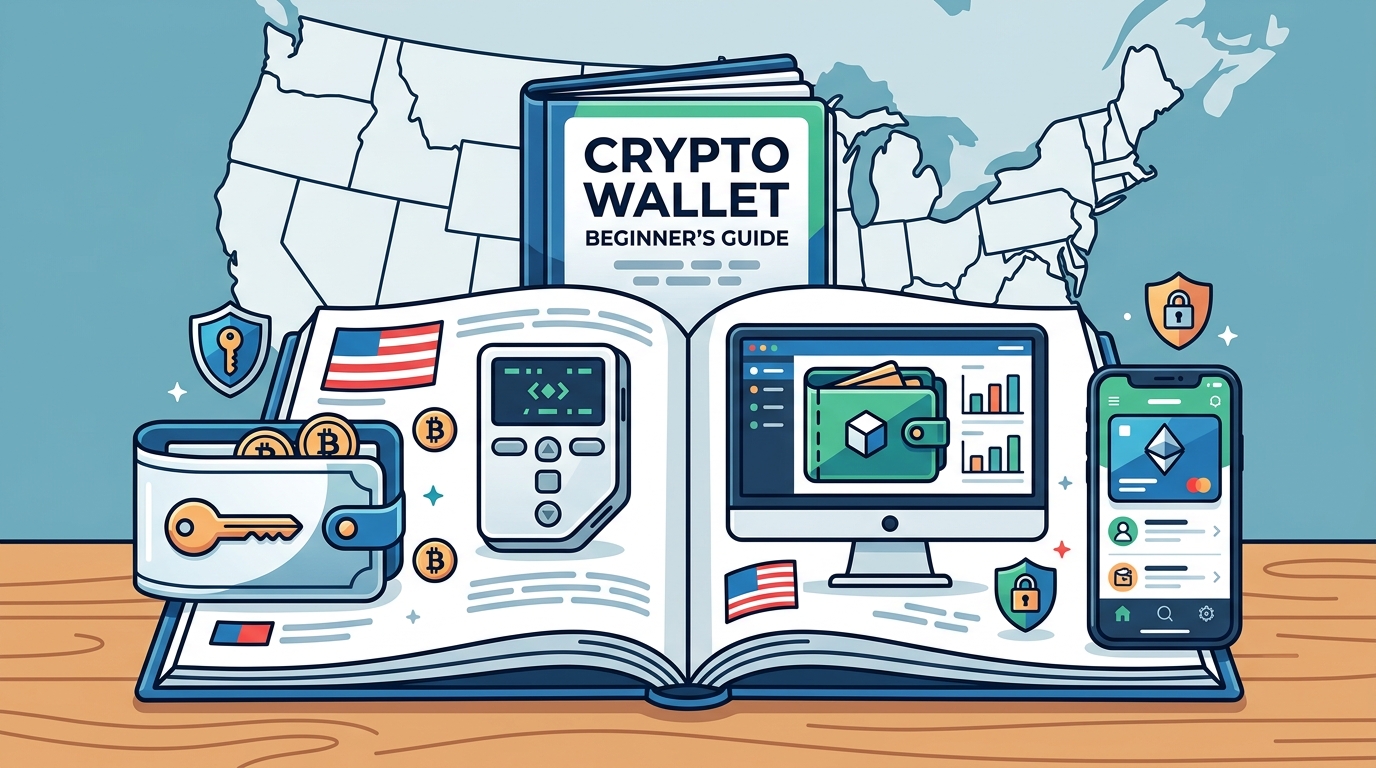
Choosing the right wallet depends on your specific goals. Below is a comparison of the most reliable options for American beginners.
| Wallet Type | Best For | Security Level | Cost |
|---|---|---|---|
| Hardware Wallet | Long-term holding | High (Offline) | $50 - $150 |
| Mobile Hot Wallet | Daily transactions | Medium (Online) | Free |
| Desktop Hot Wallet | DeFi interaction | Medium (Online) | Free |
| Exchange Wallet | Trading ease | Low (Third-party) | Free |
1. Ledger Nano X
The Ledger Nano X is a leading hardware wallet that supports Bluetooth connectivity. This allows you to manage your crypto from your phone, bridging the gap between security and convenience. It supports over 5,500 cryptocurrencies, making it a versatile choice for beginners who might want to explore beyond Bitcoin. The device uses a secure chip certified by the French National Cybersecurity Agency, ensuring your keys remain protected.
2. Trezor Model T
Trezor is another top-tier hardware wallet provider known for its open-source software. The Model T features a touchscreen interface, which makes navigating complex transactions easier for new users. It is particularly strong in supporting Bitcoin and Ethereum ecosystems. Trezor's commitment to transparency means the community can verify the security of their code, a critical factor for privacy-conscious Americans.
3. MetaMask
For those interested in decentralized finance (DeFi), MetaMask is the standard hot wallet. It is a browser extension and mobile app that allows you to interact with decentralized applications. While it is not a cold wallet, it is essential for anyone wanting to use Web3 services. Beginners should use MetaMask for smaller amounts and keep their savings in a hardware wallet.
Security Basics for New Users
Security is not just about the wallet you choose; it is about how you use it. The most common mistake beginners make is losing their recovery phrase. This 12 or 24-word phrase is the only way to restore your wallet if you lose your device. Never store this phrase digitally. Write it on paper and keep it in a safe place.
Another critical aspect is phishing. Scammers often create fake wallet websites or support channels to steal your keys. Always verify the URL before entering any information. Byte Federal's FAQ provides additional tips on staying safe while using crypto ATMs and digital wallets. Remember, no legitimate support team will ever ask for your recovery phrase.
Biometric Authentication
Modern wallets increasingly use biometric data, such as Face ID or Touch ID, to authorize transactions. This adds a layer of security that passwords cannot match. According to security experts, biometric authentication reduces the risk of unauthorized access by a significant margin. Ensure your chosen wallet supports this feature for an added layer of protection.
Integrating ATMs with Your Wallet
One of the unique advantages of the current American crypto market is the accessibility of Bitcoin ATMs. These machines allow you to buy crypto with cash and send it directly to your digital wallet. This is particularly useful for beginners who want to start with physical cash without going through a traditional bank.
When using an ATM, you will scan a QR code from your wallet. This ensures the funds go directly to your private keys, not to a third-party account. Byte Federal's network of ATMs is designed to be user-friendly, with clear instructions for first-time users. The process typically takes less than five minutes, making it a convenient on-ramp for new investors.
Privacy and Verification
Depending on the amount you wish to buy, you may need to verify your identity. This is a regulatory requirement in the United States to prevent money laundering. However, for smaller amounts, many ATMs allow anonymous transactions. Understanding these limits is crucial for planning your initial purchases. Always check the specific requirements of the ATM operator before visiting.
Key Takeaways
- Self-Custody is Key: Owning your private keys means you truly own your crypto.
- Hardware Wallets for Savings: Use devices like Ledger or Trezor for long-term holdings.
- Hot Wallets for Spending: Use mobile apps like MetaMask for daily transactions.
- Protect Your Recovery Phrase: Never share it digitally; write it on paper.
- ATMs are a Valid On-Ramp: Bitcoin ATMs offer a cash-to-crypto option for beginners.
- Verify Before You Buy: Always check the legitimacy of wallet websites and support channels.
- Start Small: Begin with a small amount to learn the process before investing heavily.
Frequently Asked Questions
What is the safest crypto wallet for beginners?
The safest option is a hardware wallet like the Ledger Nano X or Trezor Model T. These devices keep your private keys offline, protecting them from online hackers. They are the industry standard for securing significant crypto assets.
Can I use a crypto wallet with Bitcoin ATMs?
Yes, most Bitcoin ATMs allow you to send purchased crypto directly to your digital wallet. You simply scan the QR code from your wallet app, and the funds are transferred to your private keys instantly.
Do I need to pay taxes on crypto bought from an ATM?
Yes, cryptocurrency is treated as property by the IRS. Any gains from selling or trading crypto, including that bought from an ATM, may be subject to capital gains tax. It is advisable to keep records of your transactions.
What happens if I lose my hardware wallet?
If you have your recovery phrase written down securely, you can buy a new device and restore your wallet. The recovery phrase is the only way to access your funds, so keeping it safe is paramount.
Are hot wallets safe for large amounts?
Hot wallets are connected to the internet, making them more vulnerable to attacks. They are best used for smaller amounts that you plan to spend or trade frequently. For large holdings, a cold wallet is recommended.
How do I choose a Bitcoin ATM?
Look for ATMs with low fees, high security ratings, and good user reviews. Networks like Byte Federal offer transparent fee structures and reliable service, making them a good choice for beginners.
Is crypto legal in the United States?
Yes, cryptocurrency is legal in the United States. However, regulations vary by state. It is important to stay informed about local laws regarding crypto ownership and transactions.
Start Your Journey Today
Choosing the right crypto wallet is the first step toward financial independence. Whether you prefer the security of a hardware device or the convenience of a mobile app, the tools are available to help you succeed. For those looking to buy their first crypto with cash, exploring a local Bitcoin ATM is a practical and secure option. Visit Byte Federal to find a nearby ATM and start your journey into decentralized finance with confidence.