

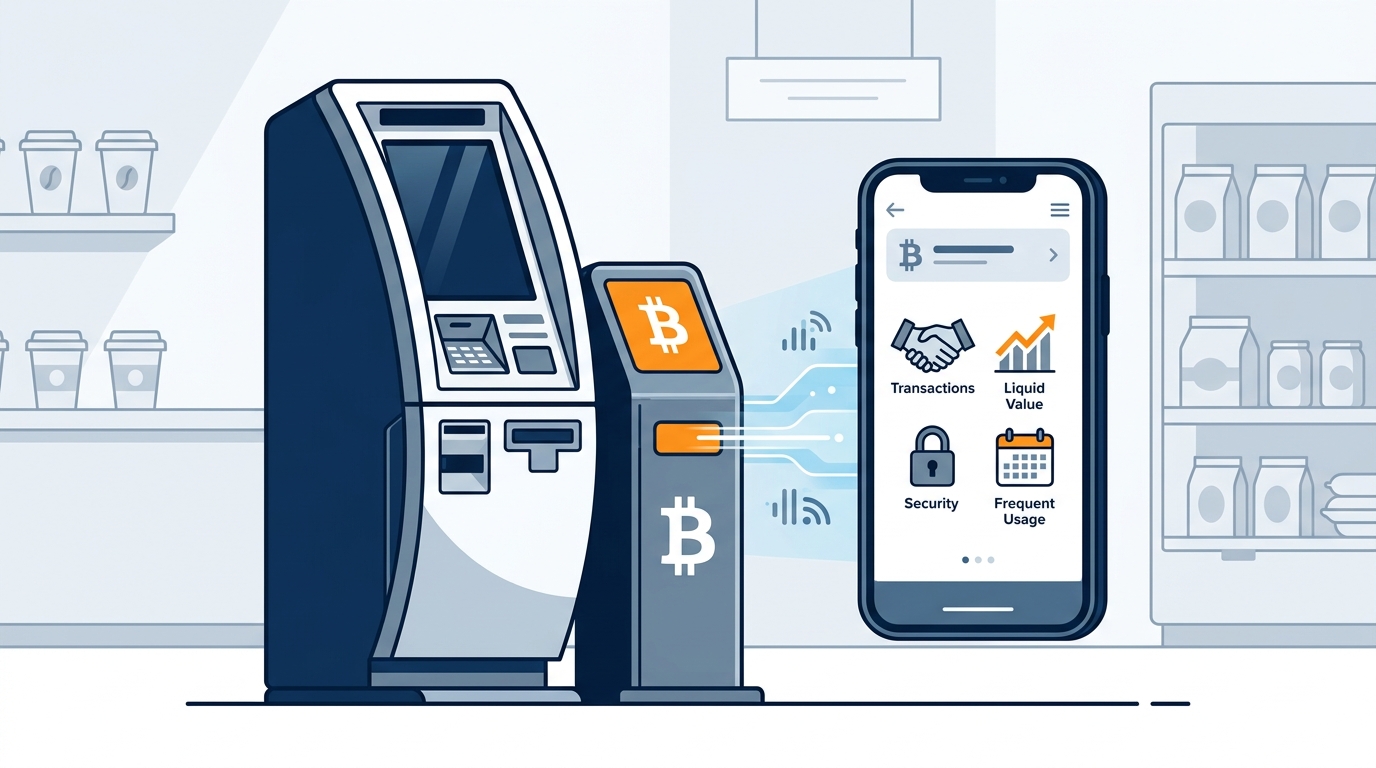
Bitcoin is increasingly recognized as a viable medium for everyday transactions, yet the infrastructure supporting it remains fragmented. Bitcoin was designed to be peer-to-peer, but without the right digital wallet, that potential remains locked. For users who rely on Byte Federal kiosks to acquire their digital assets, the transition from buying to spending requires a wallet that balances security with immediate liquidity. The average user spends significant time navigating complex interfaces, which often leads to abandoned transactions or lost funds due to network congestion.
Defining the Modern Crypto Wallet
Before evaluating features, it is crucial to understand what constitutes a functional wallet in the current market. A crypto wallet is a software or hardware tool that stores private keys and facilitates the sending and receiving of digital currencies. Unlike traditional bank accounts, these wallets do not hold the money itself. Instead, they hold the cryptographic credentials that prove ownership on the blockchain.
For daily spending, the wallet must act as a bridge between the static nature of blockchain ledgers and the dynamic needs of retail commerce. This requires more than just storage. It demands real-time connectivity, robust error handling, and seamless integration with payment processors. Users who purchase Bitcoin via Byte Federal ATMs need a destination that is equally responsive. A wallet that requires manual fee adjustments for every coffee purchase is impractical for daily use.
Furthermore, the concept of self-custody is paramount. Self-custody is the practice where the user alone controls the private keys to their digital assets without third-party intermediaries. This eliminates the risk of exchange collapses or frozen accounts. However, it also places the burden of security entirely on the user, making feature selection critical for both safety and convenience.
Security Protocols and Key Management
Security is the non-negotiable foundation of any wallet intended for daily use. The most advanced features are useless if the underlying architecture is vulnerable to theft. When selecting a wallet, look for implementations of secp256k1 cryptography, which is the standard curve used by Bitcoin to secure its network.
Biometric Authentication
Modern wallets must support biometric login methods such as Face ID or Touch ID. This adds a layer of physical security that passwords cannot match. Passwords are susceptible to phishing and keylogging attacks. Biometric data remains on the device, ensuring that only the physical owner can authorize transactions. This aligns with the security ethos of ByteAuth, which utilizes similar cryptographic principles for passwordless authentication.
Multi-Signature Support
For larger holdings, multi-signature (multisig) wallets require multiple private keys to authorize a transaction. This prevents a single point of failure. If one device is lost or compromised, the funds remain secure. This feature is essential for users who treat their Bitcoin ATM acquisitions as long-term savings rather than immediate spending money.
Transaction Signing Isolation
High-quality wallets isolate the signing process from the internet-connected interface. This means the private key never touches the network. The wallet creates a transaction request, signs it offline, and then broadcasts the signed transaction. This prevents remote hackers from intercepting keys during the signing process.
Lightning Network Integration for Speed
The primary barrier to using Bitcoin for daily spending has historically been transaction speed and cost. The base layer of Bitcoin can be slow and expensive during peak times. A wallet designed for daily use must integrate with the Lightning Network, a second-layer protocol that enables instant, low-cost transactions.
Instant Settlement
Lightning Network transactions settle in milliseconds. This is comparable to the speed of a credit card swipe. Without this integration, users face confirmation delays that can last minutes or hours. For a merchant or a consumer, waiting for blockchain confirmations is not a viable option for everyday purchases.
Micro-Transaction Viability
Base layer fees can sometimes exceed the value of small purchases. Lightning Network fees are fractions of a cent. This makes buying a coffee or a bus ticket with Bitcoin economically feasible. A wallet that does not support Lightning channels effectively locks the user into the slower, more expensive base layer.
Channel Management
Advanced wallets automate channel opening and closing. Users should not need to manually manage liquidity across dozens of payment channels. The wallet should handle the complexity of routing payments through the network, ensuring the user always has a path to their recipient.
Usability and Transaction Clarity
Even the most secure wallet is a failure if it is too difficult to use. Daily spending requires a frictionless experience. The interface must be intuitive, providing clear feedback at every step of the transaction process.
Clear Fee Transparency
Users must see exactly what they are paying in fees before they confirm a transaction. Hidden fees erode trust and lead to unexpected losses. A good wallet displays the network fee, the wallet provider fee, and the final amount the recipient will receive. This transparency is critical for budgeting and financial planning.
QR Code and Address Validation
Support for both QR codes and manual address entry is standard. However, the wallet must validate addresses before broadcasting. This prevents sending funds to invalid addresses or wrong networks. A simple typo can result in permanent loss of funds. Validation features act as a safety net for human error.
Multi-Currency Support
While Bitcoin is the primary focus, many users hold other assets. A wallet that supports multiple cryptocurrencies allows for easier diversification. However, the interface must clearly separate these assets to prevent accidental transfers. Confusion between Bitcoin and Bitcoin Cash, for example, is a common source of lost funds.
Wallet Feature Comparison
The following table compares key features across different wallet types to help you make an informed decision.
| Feature | Hot Wallet (Mobile) | Cold Wallet (Hardware) | Lightning-Enabled Wallet |
|---|---|---|---|
| Security Level | Medium (Connected to Internet) | High (Offline Storage) | High (Biometric + Lightning) |
| Transaction Speed | Variable (Depends on Network) | Slow (Requires Broadcasting) | Instant (Sub-second) |
| Cost per Transaction | Medium to High | Medium to High | Minimal (Fractions of a Cent) |
| Daily Spending Suitability | Good | Poor | Excellent |
| Key Management | Software Generated | Hardware Generated | Hybrid or Software |
Key Takeaways
- Security First: Always prioritize wallets with biometric authentication and isolated signing processes to protect your assets from digital theft.
- Lightning Network: For daily spending, Lightning Network integration is essential to achieve instant settlement and minimal fees.
- Self-Custody: Maintain control of your private keys to avoid reliance on third-party exchanges that may freeze funds.
- Transparency: Choose wallets that provide clear, upfront fee structures to prevent unexpected costs during transactions.
- Usability: A complex interface leads to errors. Select a wallet with intuitive QR code scanning and address validation.
- Network Compatibility: Ensure the wallet supports the specific network (Mainnet or Testnet) you intend to use for transactions.
- Backup Recovery: Verify that the wallet offers a secure, offline backup method, such as a seed phrase, to recover funds if the device is lost.
Frequently Asked Questions
What is the difference between a hot wallet and a cold wallet?
A hot wallet is connected to the internet, making it convenient for daily transactions but more vulnerable to online attacks. A cold wallet is offline, providing superior security for long-term storage but less convenience for frequent spending.
Why is Lightning Network important for daily spending?
Lightning Network enables instant transactions with fees lower than a penny. This makes small purchases, like coffee or transit, economically viable compared to base layer Bitcoin fees, which can be higher than the purchase amount.
Can I use a Bitcoin ATM wallet for other cryptocurrencies?
Some wallets support multiple cryptocurrencies, but you must ensure the wallet is compatible with the specific blockchain of the asset you wish to store. Not all wallets support every coin.
How do I secure my wallet backup?
Write your seed phrase on paper and store it in a secure location, such as a safe. Never store it digitally or take a photo of it, as this exposes it to hacking risks.
What is self-custody?
Self-custody means you alone hold the private keys to your crypto. You are your own bank, responsible for both the security and the recovery of your funds.
Are Bitcoin ATM transactions irreversible?
Yes, blockchain transactions are irreversible. Once a transaction is confirmed, it cannot be undone. This is why verifying the recipient address before sending is critical.
How do I find the nearest Bitcoin ATM?
You can use locator tools provided by Byte Federal to find nearby kiosks. These tools provide real-time availability and location details.
Start Your Journey
Choosing the right wallet is the first step toward financial sovereignty. With the right features, you can spend Bitcoin as easily as cash. Explore the best crypto wallet options that align with your security needs and spending habits. Visit Byte Federal to find a kiosk near you and begin your journey into the future of finance.