
Essential Security Features for Beginner Crypto Wallets Connected to Bitcoin ATMs
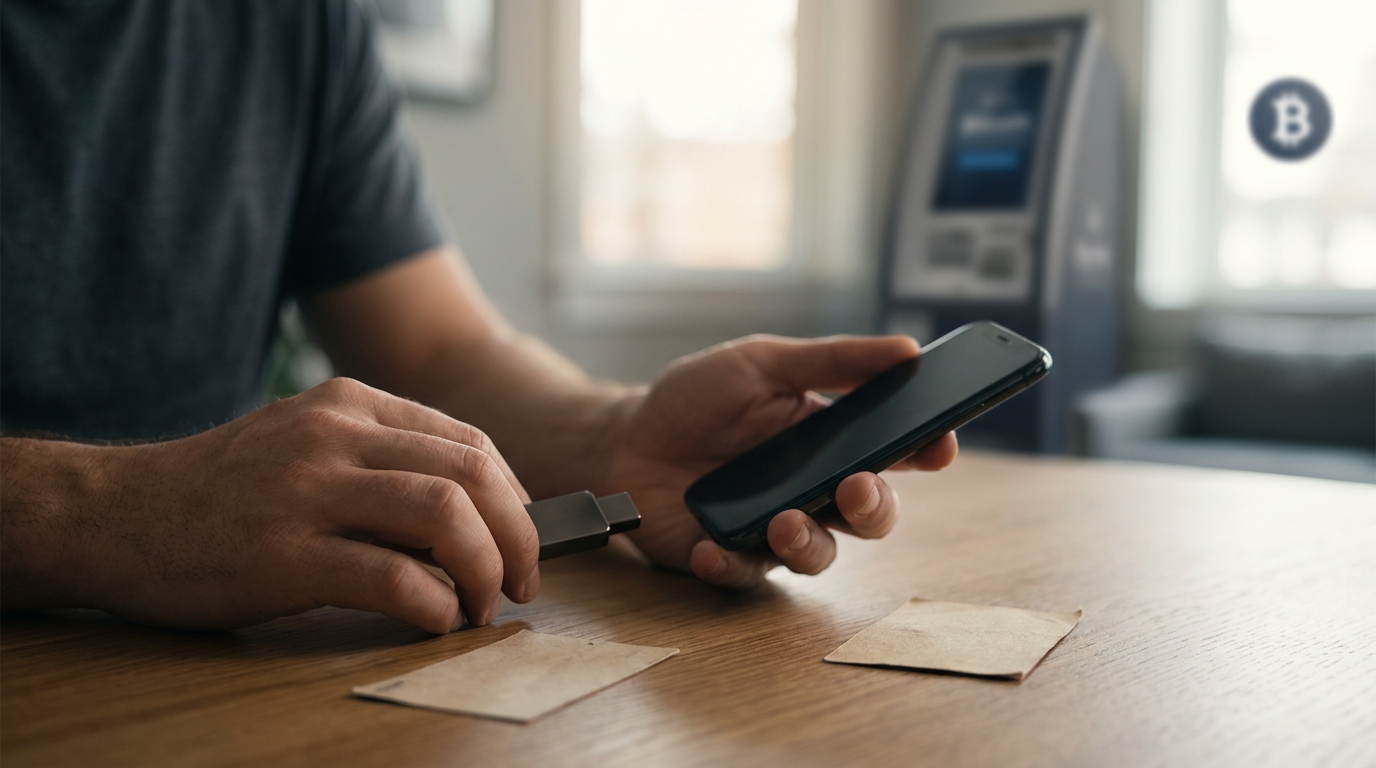
When you insert cash into a Bitcoin ATM, you are initiating a high-stakes digital transaction that requires robust protection from the moment of purchase. According to recent industry data, the unbanked population in the United States stands at approximately 24.6 million people, many of whom rely on cash-to-crypto kiosks for their first entry into digital assets Byte Federal. This demographic often lacks the technical background to identify sophisticated phishing attempts or insecure storage methods. Consequently, understanding the specific security architecture of your wallet is not optional; it is the primary defense against the loss of your funds. This guide dissects the critical security features every beginner must verify before connecting a Bitcoin ATM to their digital wallet.
Self-Custody vs. Hosted Wallets
The foundational decision for any beginner is choosing between self-custody and hosted wallets. Self-custody is a model where the user holds the private keys to their cryptocurrency, granting them absolute control over their funds without third-party interference. This approach is critical for security because it eliminates the risk of a centralized exchange being hacked or freezing your assets. In contrast, hosted wallets, often provided by exchanges, hold the keys on your behalf. While convenient, this introduces a single point of failure.
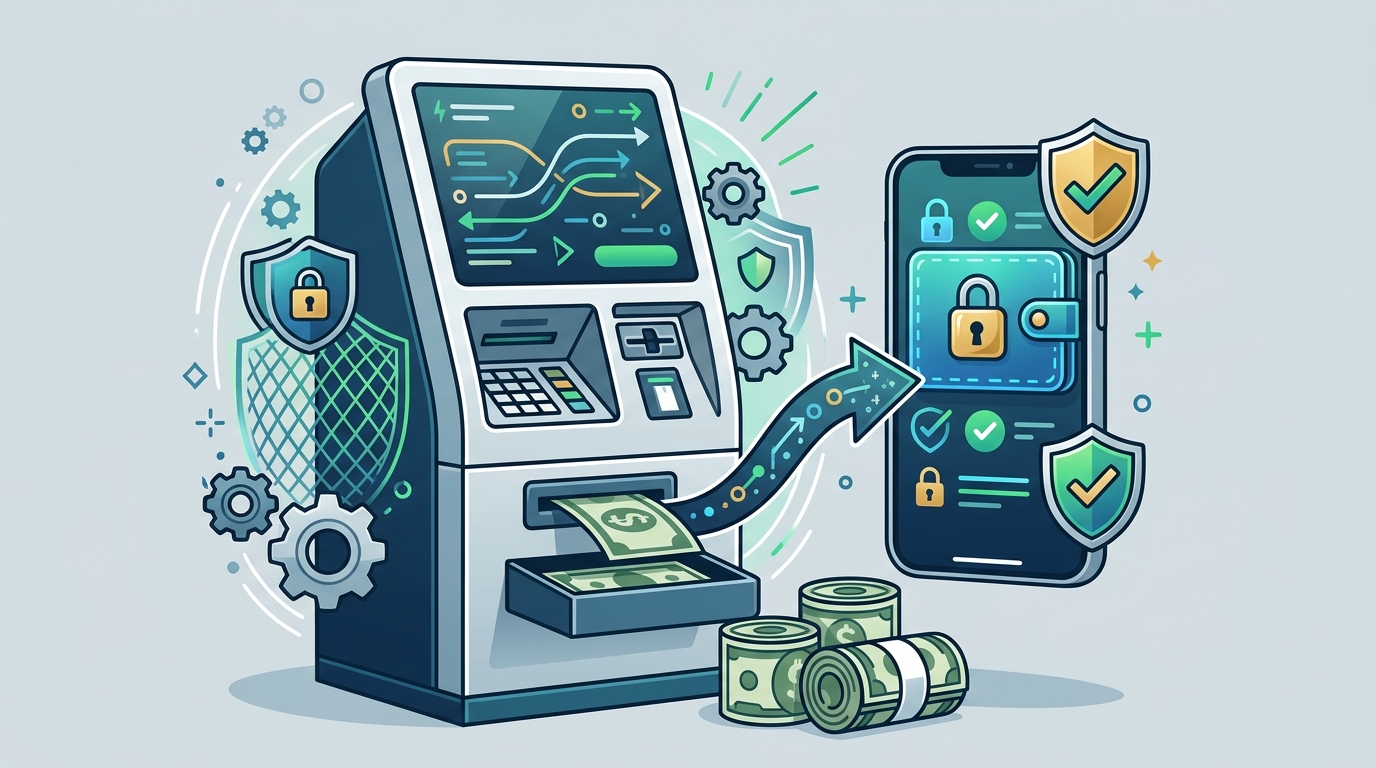
For users buying Bitcoin via ATM, self-custody is generally recommended. It ensures that the crypto you purchase is immediately under your control. Byte Federal supports this philosophy by providing tools that facilitate direct transfers to secure, self-custodied wallets. You can explore their best crypto wallet recommendations to find options that align with your security needs. The goal is to move away from the "not your keys, not your coins" paradigm toward true financial sovereignty.
Encryption and Key Management
Not all encryption is created equal. When evaluating a wallet, you must look for specific cryptographic standards that protect your private keys from brute-force attacks. The industry standard for Bitcoin and many other cryptocurrencies is the secp256k1 elliptic curve cryptography. This algorithm is widely regarded as secure because it provides a high level of security with relatively small key sizes, making it efficient for mobile devices.
Key management is the process of generating, storing, and protecting the cryptographic keys that prove ownership of your digital assets. A secure wallet will generate these keys locally on your device, ensuring they never leave your hardware. Avoid wallets that generate keys on remote servers. Additionally, look for wallets that support passwordless authentication using Bitcoin cryptography. This method leverages the same security principles as the blockchain itself, offering a layer of protection that traditional password-based systems cannot match.
Biometric Authentication Layers
Biometric authentication has become a standard feature in modern crypto wallets, providing a seamless yet secure way to authorize transactions. This technology uses unique biological traits, such as fingerprints or facial recognition, to verify your identity. The primary advantage is that biometric data is difficult to replicate compared to passwords, which can be guessed or phished.
When connecting a Bitcoin ATM, ensure your wallet requires biometric confirmation for any outgoing transaction. This adds a critical layer of defense against unauthorized access. If your phone is stolen, the thief cannot move your funds without your biometric data. Furthermore, some advanced wallets integrate ByteAuth technology, which allows for sub-3-second login times while maintaining enterprise-grade security. This balance of speed and safety is essential for users who value efficiency without compromising their financial security.
Transaction Verification Protocols
Before funds leave your wallet, they must undergo rigorous verification. This process involves checking the digital signature of the transaction against the public blockchain. A secure wallet will display detailed transaction information, including the recipient address, the amount, and the network fee, allowing you to verify every detail before signing.
Look for wallets that support API integrations for enhanced verification. These APIs can provide real-time data on network congestion and fee estimates, ensuring your transaction is processed efficiently. Additionally, some wallets offer multi-signature (multisig) capabilities. This feature requires multiple private keys to authorize a transaction, adding an extra layer of security for high-value holdings. For beginners, standard single-signature wallets with strong biometric locks are usually sufficient, but understanding multisig is valuable for future growth.
Recovery and Backup Systems
Even the most secure wallet can be lost due to device failure or loss. This is where recovery mechanisms come into play. The gold standard for backup is the Seed Phrase is a sequence of 12 to 24 random words generated by the wallet that serves as the master key to recover your cryptocurrency. This phrase must be written down on paper and stored in a secure, offline location. Never store your seed phrase digitally, such as in a screenshot, email, or cloud document, as these are vulnerable to hacking.
Some modern wallets offer alternative recovery methods, such as social recovery or hardware wallet integration. However, the seed phrase remains the most reliable and universally supported method. When you purchase crypto from a Bitcoin ATM, ensure your wallet allows you to easily export or view your seed phrase during the initial setup. This step is crucial for ensuring you can regain access to your funds if your device is ever compromised or lost.
Wallet Security Comparison
To help you make an informed decision, here is a comparison of common wallet types and their security features:
| Wallet Type | Key Storage | Authentication | Recovery Method | Security Level |
|---|---|---|---|---|
| Hardware Wallet | Offline Device | Physical Button + PIN | Seed Phrase | Very High |
| Mobile Self-Custody | Phone Storage | Biometric + PIN | Seed Phrase | High |
| Desktop Wallet | Computer Storage | Password + 2FA | Seed Phrase | Medium |
| Hosted/Exchange Wallet | Remote Server | Email + SMS/2FA | Email Verification | Low |
Key Takeaways
- Self-Custody is Essential: Holding your own private keys ensures you have full control over your assets without reliance on third parties.
- Verify Encryption Standards: Ensure your wallet uses secp256k1 and ECDSA for robust cryptographic protection.
- Biometric Locks Add Safety: Fingerprint or facial recognition prevents unauthorized access if your device is lost.
- Seed Phrases are Critical: Always write down your 12-24 word seed phrase and store it offline in a secure location.
- Avoid Digital Storage of Keys: Never save your seed phrase or private keys in cloud services or screenshots.
- Use Verified ATMs: Stick to reputable networks like Byte Federal to ensure the integrity of the transaction process.
- Understand Transaction Fees: Always verify network fees before confirming a transaction to avoid overpaying or delays.
Frequently Asked Questions
What is the most secure type of crypto wallet for beginners?
For beginners, a mobile self-custody wallet with biometric authentication offers the best balance of security and ease of use. It allows you to hold your own keys while providing convenient access for transactions.
How do I protect my seed phrase?
Write your seed phrase on paper and store it in a secure, offline location such as a safe or a safety deposit box. Never digitize it or share it with anyone.
Can I recover my funds if I lose my phone?
Yes, as long as you have your seed phrase. You can import your wallet into a new device using the seed phrase to regain access to your funds.
What is ByteAuth and how does it help?
ByteAuth is a passwordless authentication system powered by Bitcoin cryptography. It provides secure, fast login experiences without the risks associated with traditional passwords.
Are Bitcoin ATMs safe for buying crypto?
Bitcoin ATMs are safe when used with reputable providers like Byte Federal. Always verify the ATM's legitimacy and ensure you are sending funds to a secure, self-custodied wallet.
What is the difference between hot and cold wallets?
Hot wallets are connected to the internet and are convenient for frequent transactions. Cold wallets are offline devices that offer higher security for long-term storage.
Do I need to verify my identity to use a crypto wallet?
Self-custody wallets do not require identity verification. However, Bitcoin ATMs may require KYC (Know Your Customer) verification for larger transactions to comply with regulations.
Secure Your Assets Today
Understanding the security features of your crypto wallet is the first step toward financial independence. By choosing a self-custody wallet with strong encryption, biometric authentication, and reliable recovery mechanisms, you can confidently navigate the world of digital assets. Start your journey with a trusted provider like Byte Federal to ensure your transactions are secure and seamless. Visit our locations page to find a Bitcoin ATM near you and take control of your financial future.