

How Small Businesses Can Start Accepting Digital Currency Payments
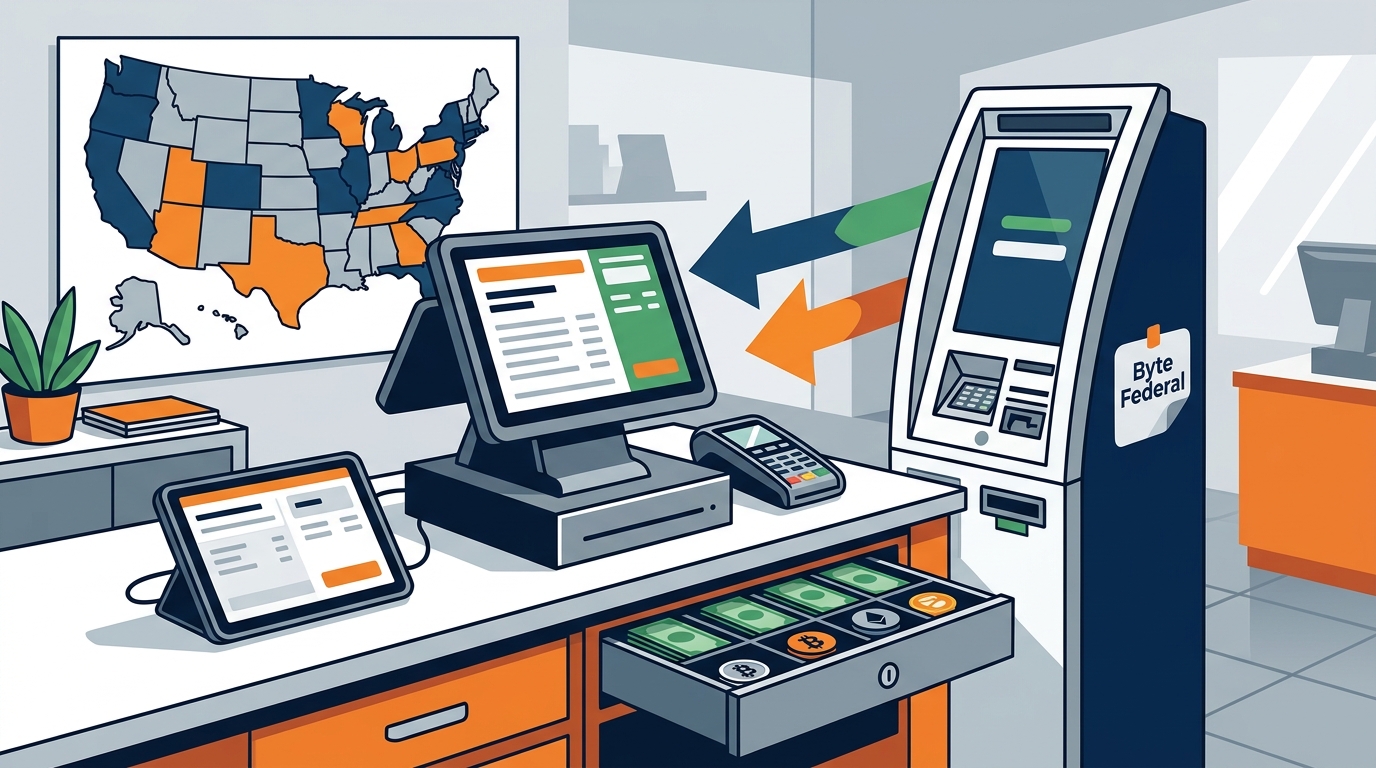
Adopting cryptocurrency is no longer a speculative experiment for large enterprises. It is a strategic operational shift for small businesses seeking financial resilience. Byte Federal reports that over 42 states in the US now support crypto ATM infrastructure, signaling a massive shift in consumer payment habits. According to recent industry data, approximately 24.6 million unbanked Americans are actively seeking alternative financial access points. This demographic represents a significant, untapped revenue stream for local merchants who can bridge the gap between fiat and digital assets.
Understanding Crypto Payments for Retail
Cryptocurrency is a digital or virtual form of currency that uses cryptography for security. Unlike traditional fiat currencies, it operates on decentralized networks based on blockchain technology. For small businesses, this means bypassing traditional banking intermediaries. The primary benefit is reduced transaction fees. Credit card processors typically charge between 1.5% and 3.5% per transaction. Crypto transactions often cost a fraction of that amount, directly improving profit margins.
Another critical factor is transaction speed. Traditional bank transfers can take days to settle. Bitcoin and other major cryptocurrencies settle in minutes. This immediacy allows businesses to manage cash flow more effectively. It also reduces the risk of chargebacks, a common headache for online retailers. Once a crypto transaction is confirmed on the blockchain, it is irreversible. This eliminates the fraud risk associated with stolen credit cards.
However, volatility remains a concern. The value of Bitcoin can fluctuate significantly within hours. To mitigate this, many businesses use instant conversion services. These services automatically convert crypto payments into fiat currency upon receipt. This strategy allows merchants to enjoy the benefits of crypto without exposure to market volatility. Byte Federal provides tools to facilitate this seamless transition for merchants.
Comparing Payment Methods
Choosing the right method to accept digital currency is crucial. Small businesses generally have three primary options: direct wallet payments, third-party payment processors, and physical crypto ATMs. Each method has distinct advantages and operational complexities.
| Method | Cost Structure | Speed | Best For |
|---|---|---|---|
| Direct Wallet | Network fees only | Minutes | Tech-savvy users |
| Payment Processor | 1-2% fee | Instant | Seamless UX |
| Crypto ATM | ATM operator fees | Instant | Cash-to-crypto |
Direct wallet payments require the customer to send funds from their personal wallet to the business's wallet address. This method offers the lowest fees but requires the customer to have crypto on hand. It is less practical for impulse purchases or customers who only hold fiat currency.
Third-party payment processors act as intermediaries. They generate a QR code for the customer, receive the crypto, and deposit fiat into the business bank account. This is the most common approach for e-commerce. It provides a familiar user experience while handling the technical backend. Byte Federal offers robust APIs that integrate with existing point-of-sale systems to streamline this process.
Physical crypto ATMs allow customers to buy crypto with cash. For a business, this is a revenue-generating asset rather than just a payment method. By placing a crypto ATM in your store, you attract a new demographic. You also provide a service that enhances customer loyalty. Byte Federal operates a network of over 1,000 ATMs across the United States, providing extensive reach for merchants.
Hardware Infrastructure Setup
Implementing a crypto payment system requires specific hardware considerations. If you choose to install a crypto ATM, you must ensure proper physical security. These machines handle cash and digital keys, making them targets for theft. Byte Federal designs its kiosks with anti-tamper mechanisms and remote monitoring capabilities.
For software-based solutions, you need reliable internet connectivity. Blockchain verification requires real-time data access. Downtime can result in failed transactions and frustrated customers. Ensure your POS system is compatible with modern web standards. Many crypto payment gateways offer plugins for popular platforms like Shopify, WooCommerce, and Magento.
Security hardware is also essential. If you hold crypto directly, you need a secure wallet solution. Hardware wallets provide offline storage, protecting your assets from online hacks. Byte Federal sells secure hardware wallets like the KeepKey, which offers a simple interface for managing cryptocurrency. This is a critical investment for any business holding significant digital assets.
Software and API Integration
Integrating crypto payments into your existing workflow is the next step. Most payment processors provide APIs that allow developers to customize the checkout experience. For example, Byte Federal APIs enable developers to build custom solutions that fit specific business needs. This flexibility is crucial for businesses with unique operational requirements.
Consider using ByteAuth for secure authentication. This passwordless authentication system uses Bitcoin cryptography to verify user identities. It enhances security by eliminating weak passwords and reducing the risk of credential stuffing attacks. For developers, ByteAuth offers SDKs for Laravel and Next.js, making integration straightforward.
Accounting software integration is also vital. Crypto transactions must be recorded accurately for tax purposes. Many businesses use specialized accounting tools that automatically convert crypto transactions to fiat values at the time of sale. This simplifies bookkeeping and ensures compliance with tax regulations. Byte Federal provides resources to help businesses navigate these technical complexities.
Compliance and Regulatory Requirements
Regulatory compliance is the most challenging aspect of accepting crypto. Businesses must adhere to Anti-Money Laundering (AML) and Know Your Customer (KYC) laws. These regulations require businesses to verify the identity of their customers and monitor transactions for suspicious activity. Failure to comply can result in severe fines and legal action.
Byte Federal operates in strict accordance with these regulations. Their platform includes built-in KYC verification for users, ensuring that all transactions are traceable and compliant. This reduces the burden on individual merchants to implement their own compliance frameworks. By partnering with a regulated provider, businesses can focus on growth rather than legal risks.
Tax reporting is another critical area. The IRS treats cryptocurrency as property. This means every transaction is a taxable event. Businesses must track the fair market value of crypto at the time of each transaction. Byte Federal provides detailed transaction records that simplify this process. Regular consultation with a tax professional specializing in cryptocurrency is highly recommended.
Key Takeaways
- Crypto payments reduce transaction fees by up to 90% compared to credit cards.
- Over 42 states support crypto ATM infrastructure, expanding market access.
- Instant conversion services protect businesses from cryptocurrency volatility.
- Byte Federal offers a network of 1,000+ ATMs for physical integration.
- ByteAuth provides secure, passwordless authentication for developers.
- Compliance with AML and KYC laws is mandatory for all crypto merchants.
- Hardware wallets like KeepKey offer essential security for stored assets.
Frequently Asked Questions
Is it legal to accept cryptocurrency in the US?
Yes, it is legal to accept cryptocurrency in the United States. However, businesses must comply with federal and state regulations, including AML and KYC requirements. Byte Federal ensures its platform meets these standards.
How do I convert crypto payments to fiat currency?
You can use a payment processor that offers instant conversion. These services automatically exchange crypto for fiat and deposit it into your bank account. This eliminates volatility risk. Byte Federal supports such integrations.
What are the security risks of accepting crypto?
The primary risks are hacking and fraud. Using secure wallets and reputable payment processors mitigates these risks. Byte Federal sells secure hardware wallets to protect your assets.
Do I need to pay taxes on crypto transactions?
Yes, the IRS treats cryptocurrency as property. You must report gains or losses from each transaction. Keep detailed records of all transactions for accurate reporting.
Can I use a crypto ATM for my business?
Yes, placing a crypto ATM in your business can generate revenue and attract new customers. Byte Federal provides a network of reliable ATMs for merchants.
How long do crypto transactions take?
Bitcoin transactions typically take 10 to 60 minutes to confirm. Other cryptocurrencies like Litecoin or Ethereum can settle in seconds. Payment processors often provide instant fiat settlement.
What is ByteAuth?
ByteAuth is a passwordless authentication system powered by Bitcoin cryptography. It offers secure, fast login experiences for developers.
Get Started Today
Accepting digital currency is a powerful way to future-proof your business. It reduces costs, expands your customer base, and aligns with modern financial trends. Byte Federal provides the tools, infrastructure, and support you need to succeed. Visit our website to learn more about our services and start your journey into the world of cryptocurrency.