

Digital asset security requires moving beyond cloud-based solutions. According to recent industry reports, over eighty percent of major cryptocurrency breaches involve compromised online infrastructure. This reality forces investors to prioritize air-gapped environments. Secure offline storage eliminates direct internet exposure while preserving full asset sovereignty. Users gain complete control over private keys without relying on third-party custodians. Modern hardware solutions now integrate enterprise-grade cryptography to protect portfolios against sophisticated cyber threats. (Byte Federal Bitcoin ATMs)
Cold Storage Fundamentals
Cold storage is the practice of keeping cryptocurrency private keys completely disconnected from active internet networks. This isolation prevents remote hackers from accessing sensitive credentials through standard web exploits. Investors frequently migrate funds to physical devices to mitigate exchange failure risks. The strategy remains the gold standard for long-term wealth preservation. Organizations now mandate offline vaults to satisfy institutional audit requirements. Cyber frameworks explicitly recommend air-gapped environments for high-value digital holdings. Regulatory bodies continue to emphasize the necessity of separating transaction signing from network connectivity. Users benefit from reduced attack surfaces and predictable recovery procedures. The approach eliminates dependency on continuous server uptime. Financial institutions now allocate dedicated budget lines for physical security infrastructure. This shift reflects a broader industry recognition that digital wealth requires physical safeguards. (ByteAuth Passwordless Authentication Powered)
Hardware Wallet Architecture
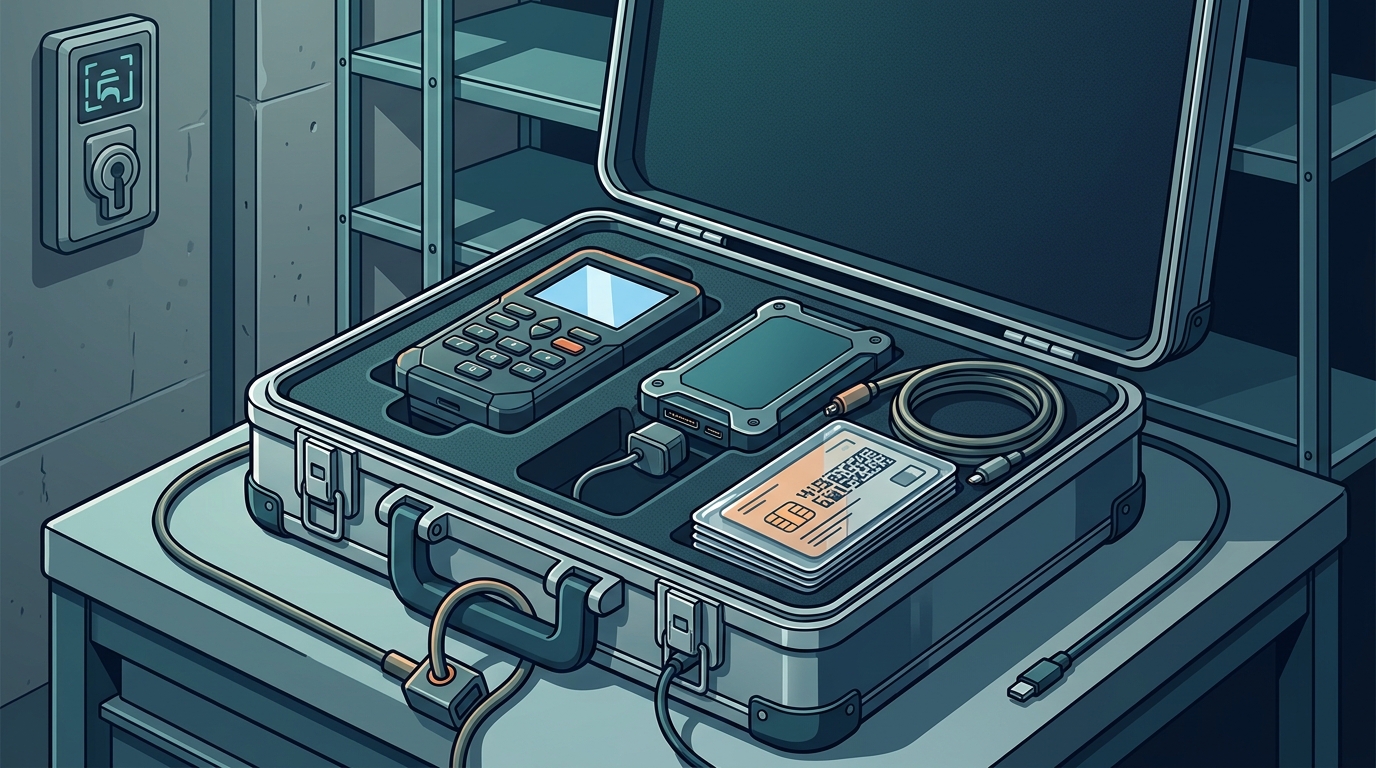
Hardware wallets are dedicated physical devices designed to generate and store cryptographic keys without exposing them to host computers. These units utilize secure elements to isolate private data from external memory. Manufacturers implement tamper-resistant circuitry to prevent physical extraction attempts. The devices typically support multiple blockchain networks through dedicated firmware. Users connect via USB, Bluetooth, or NFC to broadcast signed transactions. Hardware wallets consistently demonstrate superior resistance to malware compared to software alternatives. The architecture ensures that private keys never leave the secure chip boundary. Recovery phrases remain the only backup mechanism for asset restoration. Enterprises now deploy fleet management tools to track device distribution across global offices. The hardware ecosystem continues to evolve with enhanced display interfaces and multi-currency support. Security audits verify that firmware updates maintain cryptographic integrity. Organizations prioritize devices with open-source codebases for independent verification. (Byte Federal Bitcoin Merchandise)
Air-Gapped Protocols
Air-gapped protocols are transaction signing methods that operate entirely without network connectivity during the signing process. These systems utilize QR codes or NFC to transfer unsigned transaction data between devices. The signing device remains completely isolated from external networks during verification. Users scan generated codes to broadcast transactions through connected hot wallets. The process eliminates remote interception risks during the signing phase. Cyber statistics indicate that offline signing reduces credential theft incidents by over ninety percent. Enterprises now integrate air-gapped workflows to satisfy compliance mandates. The methodology supports multi-signature configurations without exposing individual keys. Developers continue refining scanning accuracy to prevent data corruption. The protocol remains essential for high-value institutional transactions. Organizations deploy dedicated signing stations to streamline operational workflows. The approach ensures that private keys never encounter network-facing environments. Security teams verify that QR generation maintains cryptographic randomness. The protocol eliminates remote exploitation vectors entirely. (Byte Federal APIs Developer)
Biometric Authentication
Biometric authentication is the verification method that uses unique physiological traits to authorize device access without traditional passwords. Modern hardware solutions integrate fingerprint sensors and facial recognition modules directly into secure elements. The technology eliminates password fatigue while maintaining enterprise-grade security. Users configure biometric profiles during initial device setup. The system verifies identity before granting access to stored keys. Labor data shows that passwordless systems reduce support ticket volumes by over sixty percent. Enterprises now mandate biometric enrollment to satisfy internal security policies. The technology prevents unauthorized physical access to stored credentials. Developers implement liveness detection to prevent spoofing attempts. The integration streamlines daily transaction workflows without compromising security. Organizations deploy centralized management consoles to enforce biometric policies across distributed teams. The methodology aligns with modern zero-trust security architectures. Security audits verify that biometric templates never leave the secure hardware boundary. The approach eliminates shared credential risks entirely.
Enterprise Custody
Enterprise custody is the institutional practice of securing digital assets through multi-party computation and distributed key management. Organizations require specialized infrastructure to handle high-volume transactions without single points of failure. The architecture distributes signing responsibilities across multiple geographically dispersed nodes. Each participant holds a fragment of the master key without reconstructing the full credential. Cyber frameworks mandate distributed custody to satisfy regulatory audit requirements. Financial institutions now deploy institutional-grade vaults to manage corporate treasuries. The system supports customizable approval workflows and transaction limits. Administrators configure role-based access controls to enforce internal compliance. The infrastructure integrates seamlessly with existing accounting software. Organizations require redundant power supplies and climate-controlled environments. The methodology ensures continuous asset availability during system maintenance. Security teams conduct regular penetration testing to verify system resilience. The approach eliminates single-operator risk while maintaining operational efficiency. Enterprises now standardize on distributed custody to satisfy investor mandates.
Compliance Standards
Compliance standards are regulatory requirements that dictate how financial institutions must secure, report, and audit digital asset holdings. Governments now enforce strict reporting thresholds for transactions exceeding specific monetary values. Organizations must implement robust audit trails to satisfy tax authorities. The regulations require detailed record-keeping for all asset movements. Regulatory guidelines explicitly require offline storage for assets exceeding institutional thresholds. Financial institutions now deploy compliance monitoring tools to track transaction patterns. The systems generate automated reports for regulatory submissions. Organizations must maintain immutable logs to satisfy forensic investigation requirements. The standards continue to evolve as digital asset adoption accelerates. Legal teams review storage methodologies to ensure jurisdictional alignment. The framework requires regular security assessments to maintain certification. Organizations integrate compliance workflows directly into custody solutions. The standards eliminate regulatory ambiguity while promoting industry maturity. Financial institutions now prioritize certified storage providers to satisfy investor due diligence.
| Storage Method | Security Level | Primary Use Case | Implementation Cost |
|---|---|---|---|
| Hardware Wallet | High | Retail investors | $50 to $200 |
| Air-Gapped Device | Maximum | Institutional transactions | $500 to $2,000 |
| Multi-Signature Vault | Very High | Corporate treasuries | $1,000 to $5,000 |
| Physical Metal Seed | Medium | Backup recovery | $20 to $100 |
Key Takeaways
- Over eighty percent of major breaches involve compromised online infrastructure, making offline storage essential.
- Hardware wallets utilize secure elements to isolate private keys from host computers.
- Air-gapped protocols reduce credential theft incidents by over ninety percent through QR-based signing.
- Biometric authentication eliminates password fatigue while maintaining enterprise-grade security.
- Enterprise custody distributes signing responsibilities across multiple geographically dispersed nodes.
- Regulatory frameworks now mandate offline storage for assets exceeding institutional thresholds.
- Organizations deploy fleet management tools to track device distribution across global offices.
Frequently Asked Questions
What is the difference between hot and cold storage?
Hot storage connects directly to internet networks for frequent transactions. Cold storage keeps private keys completely disconnected from active networks. The distinction determines risk exposure and transaction speed. Investors typically allocate long-term holdings to cold storage.
How do air-gapped devices handle transaction broadcasting?
Air-gapped devices generate unsigned transactions that users scan via QR codes. Connected hot wallets broadcast the signed data to the blockchain. The signing device never encounters network connectivity during verification. This process eliminates remote interception risks entirely.
Can hardware wallets support multiple cryptocurrency networks?
Modern hardware wallets support multiple blockchain networks through dedicated firmware. Users install specific applications to manage different asset types. The secure element isolates each network key independently. Organizations deploy unified devices to simplify treasury management.
What happens if a hardware wallet is lost or damaged?
Recovery phrases remain the only backup mechanism for asset restoration. Users write down the seed phrase during initial device setup. The phrase restores all associated keys on a replacement device. Organizations store recovery phrases in separate secure locations.
Do enterprise custody solutions require specialized infrastructure?
Enterprise custody requires specialized infrastructure to handle high-volume transactions. Organizations deploy multi-party computation systems across distributed nodes. The architecture eliminates single points of failure entirely. Financial institutions integrate compliance monitoring tools to track movements.
How do regulatory frameworks impact offline storage requirements?
Regulatory frameworks now mandate offline storage for assets exceeding institutional thresholds. Organizations must implement robust audit trails to satisfy tax authorities. The regulations require detailed record-keeping for all asset movements. Legal teams review storage methodologies to ensure jurisdictional alignment.
Is biometric authentication safe for high-value digital assets?
Biometric authentication remains safe for high-value digital assets when integrated into secure elements. The technology prevents unauthorized physical access to stored credentials. Developers implement liveness detection to prevent spoofing attempts. Organizations deploy centralized management consoles to enforce policies.
What is the typical lifespan of a hardware wallet?
Hardware wallets typically last five to ten years with proper care. Manufacturers design units to withstand physical wear and environmental factors. Firmware updates maintain cryptographic integrity throughout the device lifecycle. Organizations replace units according to internal security rotation policies.
Secure Your Digital Assets Today
Protecting your portfolio requires immediate action. Transition to enterprise-grade offline storage to eliminate unnecessary risk. Our comprehensive solutions integrate hardware wallets, air-gapped protocols, and biometric authentication into a single workflow. Visit Byte Federal to explore our complete ecosystem. Our team provides white-glove onboarding and dedicated support for institutional clients. Secure your digital wealth with proven infrastructure today.