
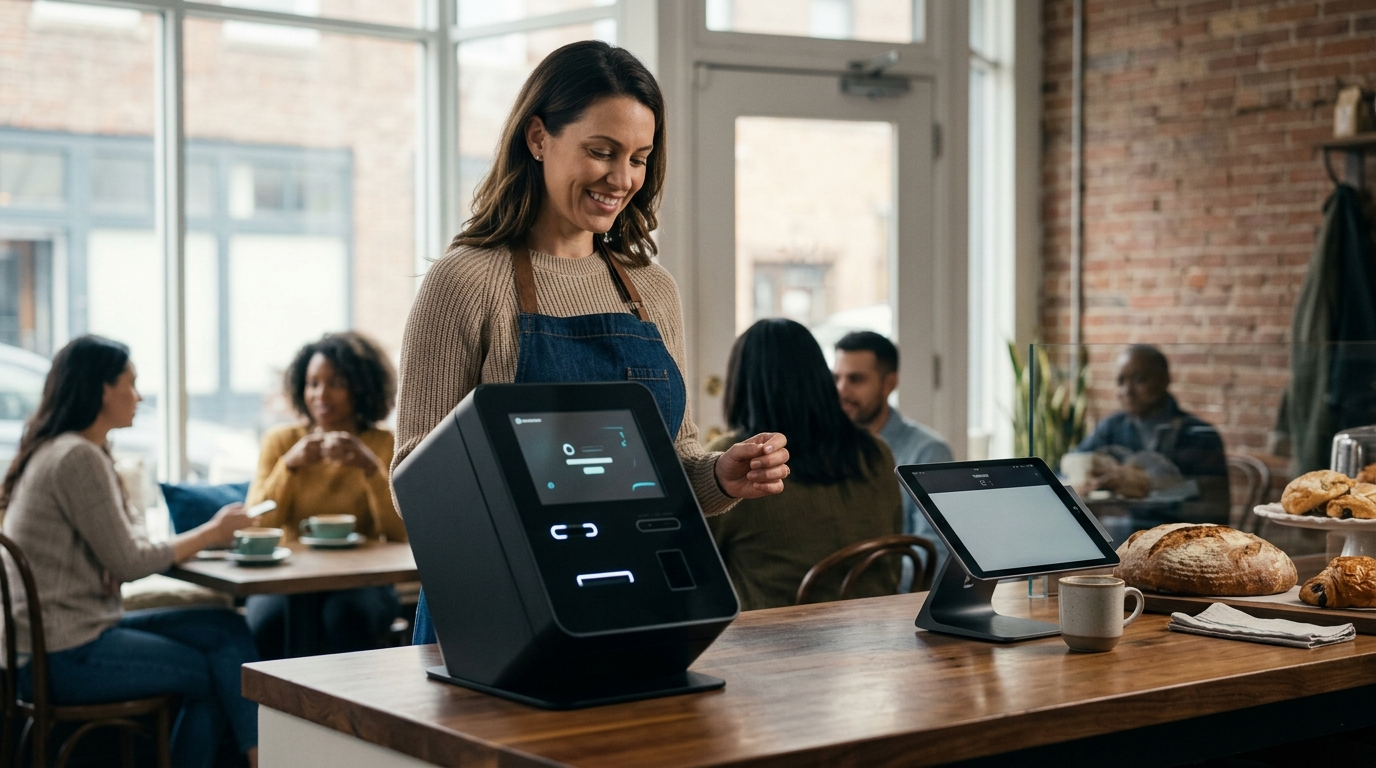
Recent market analysis indicates that retail transactions involving blockchain assets have expanded by over forty percent across independent merchants. This rapid adoption stems from lower processing fees and faster settlement windows compared to traditional banking rails. Small enterprises now leverage decentralized networks to capture untapped consumer demographics while reducing chargeback risks. Implementing these systems requires careful hardware selection and compliance mapping. Retailers must evaluate their current point of sale architecture before deploying new payment gateways. Strategic integration eliminates friction while maximizing transaction velocity. (Byte Federal Bitcoin ATMs)
Understanding Cryptocurrency Payment Infrastructure
Blockchain payment infrastructure is a decentralized ledger system that records transactions across multiple network nodes without central authority. Merchants benefit from transparent audit trails and reduced intermediary fees. Traditional payment processors typically charge between two and three percent per transaction. Digital currency networks often charge less than one percent for equivalent processing power. This cost reduction directly improves net margins for high-volume retailers. Businesses must first map their existing cash flow cycles to determine optimal settlement timing. Converting fiat to stablecoins eliminates currency fluctuation exposure during the checkout window. Retailers should evaluate their current merchant account agreements before switching payment rails. Transitioning requires updating terminal configurations and training staff on new reconciliation procedures. Proper infrastructure mapping prevents revenue leakage during the initial deployment phase.
Selecting the Right Point of Sale Hardware
Cryptocurrency point of sale hardware is a specialized terminal device that processes blockchain transactions and generates customer receipts. Modern kiosks support multiple digital assets and provide instant transaction confirmation. Retailers can deploy standalone terminals or integrate modules into existing checkout counters. Hardware selection depends on store footprint and expected transaction volume. High-traffic locations benefit from dual-screen setups that display dynamic QR codes for customer scanning. Low-volume storefronts can utilize compact desktop terminals that connect via standard USB ports. Merchants must verify that their chosen hardware supports the specific blockchain networks they intend to accept. Compatibility checks prevent costly hardware replacements during the scaling phase. Retailers should request demo units before committing to bulk procurement orders. Proper hardware deployment ensures seamless customer experiences during peak shopping hours.
Integrating Blockchain APIs for Automated Settlements
Application programming interfaces are standardized code protocols that allow different software systems to exchange data securely. Retailers can connect their inventory management software directly to blockchain networks using RESTful endpoints. Automated settlement engines process transactions in real time and update accounting ledgers without manual intervention. This automation eliminates reconciliation errors and reduces administrative overhead. Developers must configure webhook endpoints to trigger order fulfillment once blockchain confirmations reach the required threshold. Testing environments allow merchants to simulate transaction failures and verify error handling routines. Production deployment requires strict API key rotation and rate limiting configurations. Retailers should monitor transaction latency during initial rollout periods. Optimized API integration accelerates order processing and improves overall store efficiency.
Managing Compliance and Identity Verification
Digital identity verification is a regulatory framework that confirms customer credentials before processing high-value transactions. Financial authorities require merchants to implement know your customer protocols for transactions exceeding specific thresholds. Retailers must deploy secure authentication modules that capture biometric data and government issued identification. Compliance workflows prevent fraudulent activity and protect businesses from regulatory penalties. Automated verification systems cross-reference customer data against global sanctions lists in real time. Merchants should configure tiered verification limits to balance security with checkout speed. High-volume retailers often integrate third party compliance providers to handle jurisdictional variations. Regular audits ensure that verification protocols remain aligned with evolving financial regulations. Proper compliance management eliminates legal exposure while maintaining customer trust.
Marketing Your New Digital Payment Options
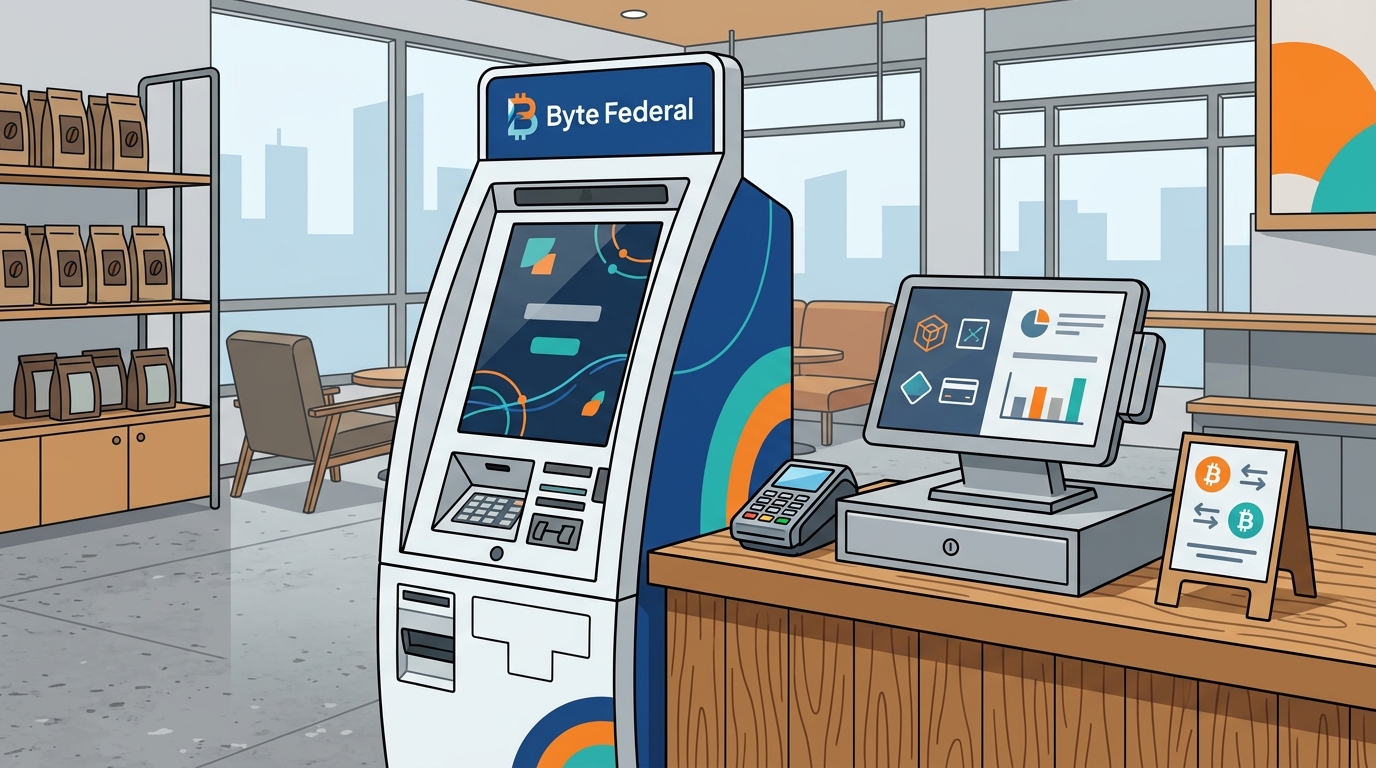
Digital currency marketing campaigns are targeted promotional strategies that highlight blockchain payment benefits to existing customer bases. Retailers can leverage kiosk advertising networks to display promotional banners across multiple terminal screens. Promotional campaigns typically generate higher engagement rates when paired with exclusive discount codes. Store owners should design landing pages that explain the security advantages of blockchain transactions. Email newsletters can announce new payment methods alongside loyalty program updates. Social media campaigns should emphasize transaction speed and reduced merchant fees. Retailers must track campaign performance using dedicated analytics dashboards. Optimized marketing strategies drive customer adoption and increase average transaction values. Strategic promotion converts hesitant buyers into regular digital currency users.
Key Takeaways
- Blockchain payment infrastructure eliminates traditional intermediary fees and reduces processing costs below one percent.
- Modern point of sale hardware supports dual-screen setups and dynamic QR code generation for seamless checkout.
- Application programming interfaces automate order fulfillment and update accounting ledgers without manual intervention.
- Digital identity verification frameworks ensure regulatory compliance and prevent fraudulent transaction activity.
- Digital currency marketing campaigns drive customer adoption through targeted promotional banners and loyalty incentives.
- High-volume retailers benefit from tiered verification limits that balance security with checkout speed.
- Strategic promotion converts hesitant buyers into regular digital currency users while improving net margins.
Frequently Asked Questions
What equipment do I need to accept digital currency at my store?
Retailers require specialized point of sale terminals that support blockchain networks and generate dynamic QR codes. Most modern kiosks integrate directly with existing cash register systems via standard communication protocols. Store owners should verify hardware compatibility before purchasing additional equipment.
How do I handle currency fluctuation during transactions?
Merchants can configure automated settlement engines to convert digital assets into stablecoins immediately after checkout. This conversion mechanism eliminates exposure to market volatility and preserves profit margins. Retailers should test conversion thresholds during the initial deployment phase.
Are there regulatory requirements for accepting digital currency?
Digital identity verification frameworks require merchants to implement know your customer protocols for transactions exceeding specific thresholds. Store owners must deploy secure authentication modules that capture biometric data and government issued identification. Regular audits ensure compliance with evolving financial regulations.
Can I integrate digital currency payments with my existing accounting software?
Application programming interfaces allow retailers to connect inventory management software directly to blockchain networks. Automated settlement engines process transactions in real time and update accounting ledgers without manual intervention. Developers must configure webhook endpoints to trigger order fulfillment once confirmations reach the required threshold.
How do I promote my new digital payment options to customers?
Digital currency marketing campaigns leverage kiosk advertising networks to display promotional banners across multiple terminal screens. Store owners should design landing pages that explain the security advantages of blockchain transactions. Email newsletters can announce new payment methods alongside loyalty program updates.
What happens if a customer initiates a fraudulent transaction?
Digital identity verification frameworks cross-reference customer data against global sanctions lists in real time. Automated verification systems prevent fraudulent activity and protect businesses from regulatory penalties. Retailers should configure tiered verification limits to balance security with checkout speed.
How long does the initial setup process typically take?
Merchants can deploy standalone terminals or integrate modules into existing checkout counters within forty eight hours. High-traffic locations benefit from dual-screen setups that display dynamic QR codes for customer scanning. Store owners should request demo units before committing to bulk procurement orders.
Can small businesses offer discounts for digital currency payments?
Digital currency marketing campaigns typically generate higher engagement rates when paired with exclusive discount codes. Retailers can leverage kiosk advertising networks to display promotional banners across multiple terminal screens. Strategic promotion converts hesitant buyers into regular digital currency users while improving net margins.
Next Steps for Implementation
Retailers should schedule a technical consultation to evaluate their current point of sale architecture and determine optimal hardware configurations. Our engineering team provides comprehensive deployment support and custom API integration services. Visit our Point of Sale Solutions page to explore terminal options. Review our Developer Documentation for integration guides. Complete your merchant registration at Byte Federal Registration to access enterprise pricing tiers. Locate your nearest deployment center using our Store Locator. Contact our support team at Customer Support for custom enterprise contracts. Begin processing blockchain transactions today and capture untapped consumer demographics.