
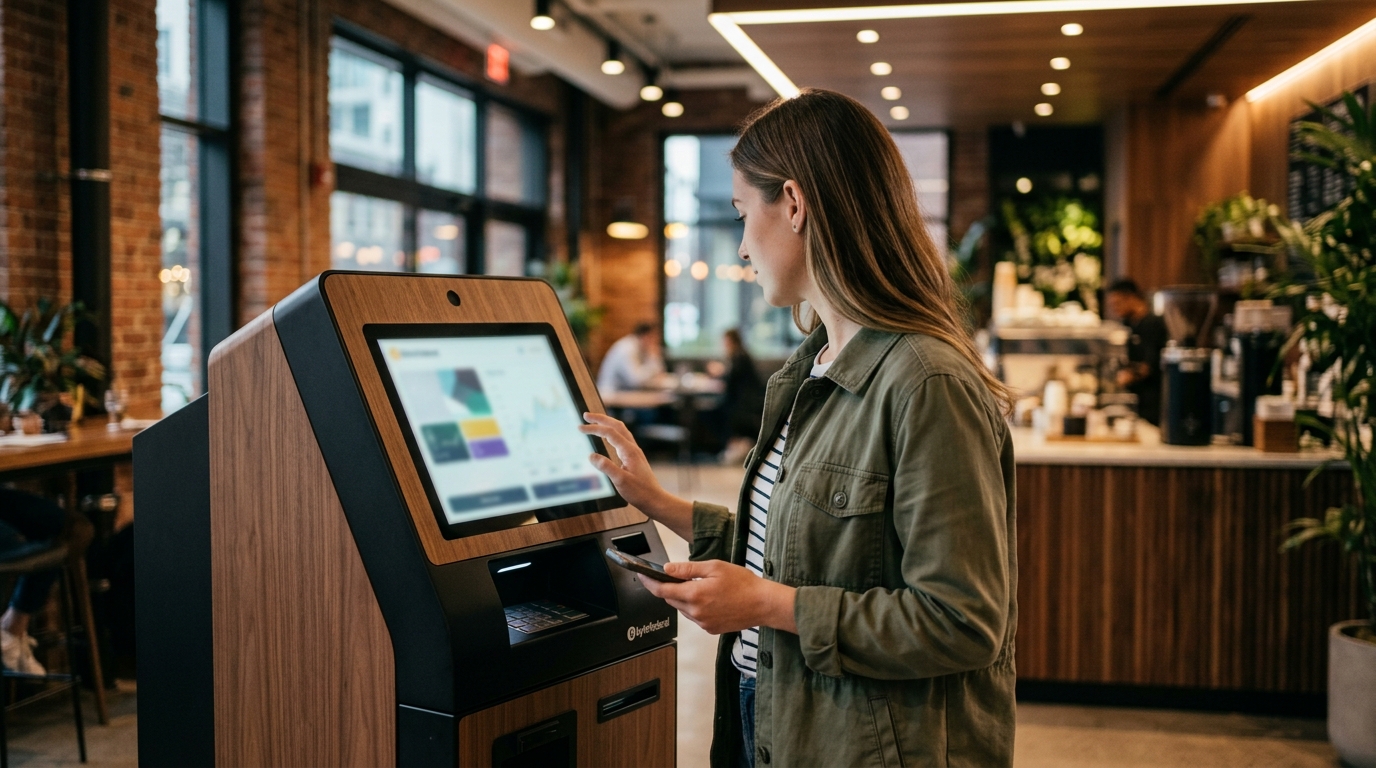
Bitcoin ATM Transaction Limits and Pricing Structures
The global cryptocurrency market has matured significantly, yet the friction between traditional banking systems and digital assets remains a primary hurdle for everyday users. According to recent industry data from Chainalysis, Bitcoin ATM transaction volumes have stabilized at approximately $10 billion annually, with users frequently citing high fees and confusing limit structures as the top barriers to adoption. Understanding these mechanics is not just about saving money; it is about ensuring compliance with federal regulations that govern cash-to-crypto conversions. This guide dissects the hidden costs and regulatory caps that define the current landscape of Bitcoin ATMs. (Contact Us)
What Are Bitcoin ATM Transaction Limits?
Bitcoin ATM transaction limits are not arbitrary. They are strictly enforced thresholds designed to prevent money laundering and ensure that users comply with the Bank Secrecy Act. These limits vary significantly based on the level of identity verification performed by the user. The Bitcoin ATM transaction limit is the maximum amount of fiat currency you can exchange for cryptocurrency in a single transaction or within a specific time frame.
Most operators categorize these limits into three distinct tiers. The first tier is the anonymous or low-limit tier. This allows users to purchase small amounts of Bitcoin without providing personal identification. The second tier requires basic identity verification, such as a phone number or email address. The third tier involves full Know Your Customer (KYC) compliance, which unlocks the highest transaction caps.
For the average user, the anonymous limit is often the most confusing. In many jurisdictions, this limit is capped at $999 or $1,000 per transaction. This cap is not a technical limitation of the Bitcoin network but a regulatory requirement. If you attempt to exceed this amount, the machine will reject the transaction or force you to complete an identity verification process. This structure ensures that small, frequent transactions remain accessible while larger institutional-grade movements are tracked.
Higher-tier limits can range from $5,000 to $9,000 per transaction for verified users. Some advanced machines, particularly those operated by major financial institutions, may allow daily limits exceeding $10,000. However, these transactions often trigger additional reporting requirements. It is crucial to check the specific limits displayed on the machine interface before inserting cash. These limits are dynamic and can change based on local laws and operator policies.
Understanding Bitcoin ATM Fee Structures
The cost of converting cash to Bitcoin via an ATM is significantly higher than using a centralized exchange. This discrepancy is due to the operational costs of maintaining physical hardware, securing cash logistics, and complying with regulatory frameworks. The Bitcoin ATM fee structure is typically composed of a percentage-based fee and a fixed network fee.
Percentage-based fees are the most common model. These fees can range from 10% to 20% or even higher for smaller transactions. This means that if you insert $100, you might only receive $80 worth of Bitcoin. The fee is deducted before the Bitcoin is sent to your wallet. This high percentage is necessary to cover the risk of chargebacks and the cost of cash handling. For larger transactions, the percentage fee may decrease slightly, but it rarely drops below 5%.
Network fees, also known as miner fees, are another component of the total cost. These fees are paid to Bitcoin miners to prioritize your transaction on the blockchain. While these fees are generally low, they can spike during periods of high network congestion. Unlike the percentage fee, the network fee is paid in Bitcoin and is not controlled by the ATM operator. Understanding this distinction helps users avoid confusion when comparing the total cost of their purchase.
Some operators also implement a dynamic pricing model. This means the exchange rate offered by the ATM is adjusted in real-time to account for market volatility and liquidity risks. This spread can be substantial, often ranging from 3% to 5% above the spot price. This spread acts as a buffer for the operator against price fluctuations between the time you initiate the transaction and the time the Bitcoin is purchased on the backend exchange.
KYC and Compliance Requirements
Compliance with federal regulations is the backbone of the Bitcoin ATM industry. The Know Your Customer process is mandatory for transactions exceeding certain thresholds. This process involves verifying the user's identity through government-issued ID, facial recognition, and sometimes proof of address. These requirements are enforced by the Financial Crimes Enforcement Network (FinCEN) in the United States and similar bodies globally.
The primary goal of KYC is to prevent illicit activities such as money laundering and terrorist financing. By requiring identity verification, regulators can trace the flow of funds and hold operators accountable for suspicious activities. This has led to a more regulated industry where only licensed operators can provide high-limit services. Users should expect to provide a phone number for SMS verification and scan their ID card for facial matching.
Failure to comply with these requirements can result in severe penalties for operators, including heavy fines and revocation of licenses. For users, it means that anonymity is increasingly difficult to achieve. While some machines still offer anonymous transactions, they are becoming rarer and are subject to stricter limits. Users should always be prepared to provide identification if they wish to make larger purchases.
Additionally, some jurisdictions require operators to report transactions over $10,000 to federal authorities. This is a standard anti-money laundering protocol. Users should be aware that their transaction history may be visible to regulators if they exceed these thresholds. This transparency is a trade-off for the convenience and accessibility that Bitcoin ATMs provide.
Strategies to Maximize Your Bitcoin Value
While Bitcoin ATMs offer unparalleled convenience, their high fees can erode your investment. To maximize the value of your Bitcoin, you should employ specific strategies to minimize costs. First, always compare fees across different operators. Some networks offer lower fees for verified users or during off-peak hours. Second, consider the size of your transaction. Larger transactions often have lower percentage fees, making them more cost-effective than multiple small purchases.
Another strategy is to use ATMs that offer direct Bitcoin transfers rather than wrapped Bitcoin. Wrapped Bitcoin is a tokenized version of Bitcoin that can be used on other blockchains. While convenient for some use cases, it may involve additional conversion fees. Direct Bitcoin transfers ensure that you receive the actual asset without intermediate steps. Always verify the type of Bitcoin being sent before confirming the transaction.
Finally, consider the timing of your purchase. Bitcoin prices are volatile, and network fees can fluctuate. Purchasing during periods of low network congestion can reduce the miner fee component of your total cost. Additionally, monitoring market trends can help you avoid buying at peak prices. While ATMs are convenient, they are not always the most cost-effective option for large investments.
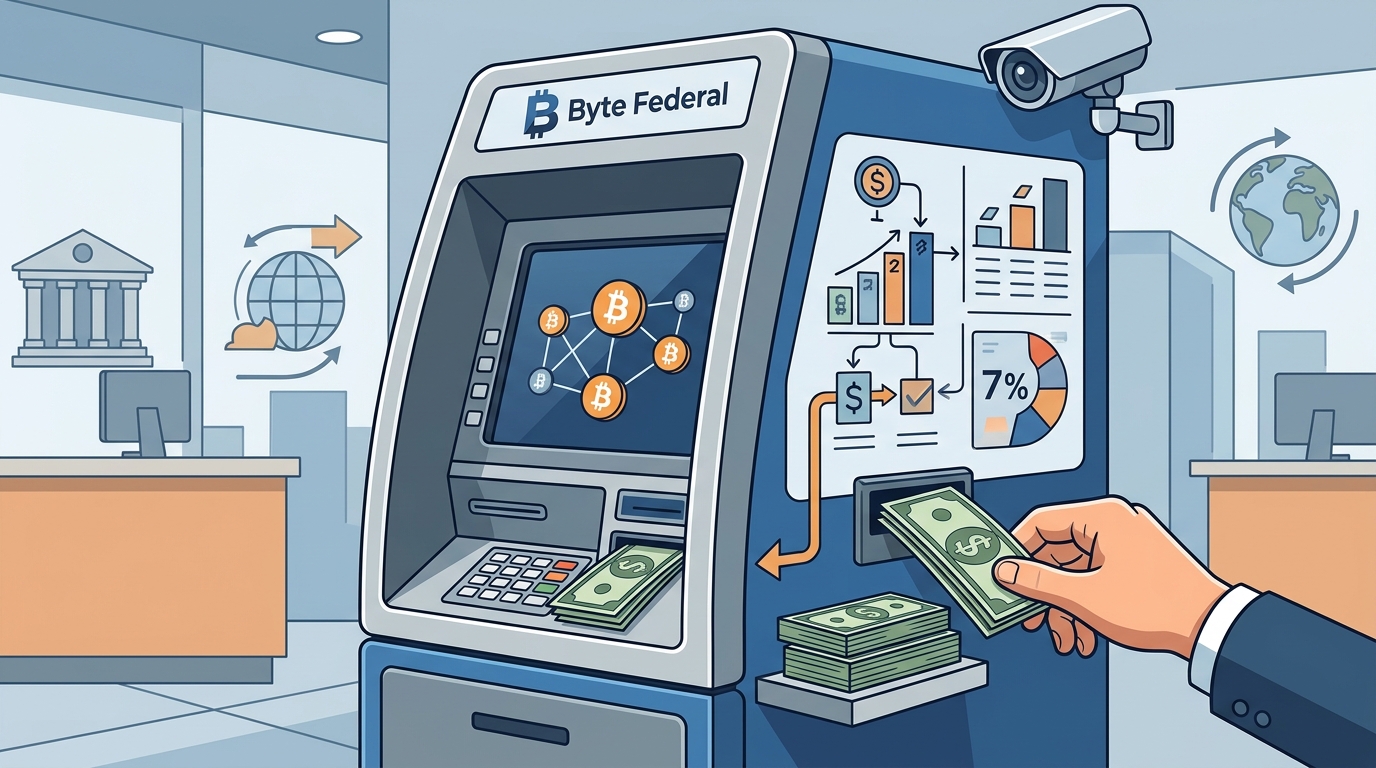
The ByteFederal Advantage in Compliance
At ByteFederal, we understand the complexities of navigating the regulatory landscape of cryptocurrency. Our mission is to provide secure, compliant, and efficient Bitcoin ATM solutions for businesses and individuals. We specialize in helping operators integrate seamlessly with federal regulations while maintaining a user-friendly experience. Our platform ensures that all transactions are tracked and reported accurately, reducing the risk of non-compliance.
We offer a range of services designed to optimize your Bitcoin ATM operations. From hardware integration to software support, we provide end-to-end solutions that enhance security and efficiency. Our team of experts is dedicated to staying ahead of regulatory changes, ensuring that our clients are always compliant. By choosing ByteFederal, you are partnering with a leader in the industry who prioritizes integrity and innovation.
Our commitment to compliance means that we rigorously vet all partners and transactions. This ensures that the Bitcoin ATM ecosystem remains safe and trustworthy for all users. We believe that transparency and accountability are key to the long-term success of cryptocurrency adoption. Our solutions are designed to empower businesses to grow responsibly in this dynamic market.
Key Takeaways
- Anonymous Bitcoin ATM transactions are typically capped at $999 to comply with federal regulations.
- Fees for Bitcoin ATMs range from 10% to 20%, significantly higher than centralized exchanges.
- KYC verification is required for transactions exceeding $1,000 in most jurisdictions.
- Dynamic pricing models are used by operators to mitigate liquidity and volatility risks.
- ByteFederal provides compliant, secure, and efficient Bitcoin ATM solutions for businesses.
- Larger transactions often have lower percentage fees, making them more cost-effective.
- Direct Bitcoin transfers are preferred over wrapped Bitcoin to avoid additional conversion costs.
Frequently Asked Questions
What is the maximum limit for anonymous Bitcoin ATM transactions?
Anonymous transactions are typically limited to $999 per transaction to comply with anti-money laundering regulations. Exceeding this limit requires identity verification.
How are Bitcoin ATM fees calculated?
Fees are usually a combination of a percentage-based fee (10-20%) and a fixed network fee. The percentage fee covers operational costs, while the network fee is paid to miners.
Do I need to provide ID for all Bitcoin ATM transactions?
No, ID is only required for transactions exceeding the anonymous limit, which is usually $1,000. For smaller amounts, you can often transact without identification.
Why are Bitcoin ATM fees so high?
High fees cover the costs of cash handling, hardware maintenance, regulatory compliance, and liquidity risks. These operational expenses are significantly higher than those of digital-only exchanges.
Can I sell Bitcoin at a Bitcoin ATM?
Yes, many Bitcoin ATMs support two-way transactions, allowing you to sell Bitcoin for cash. However, selling limits and fees may differ from buying limits.
What is KYC in the context of Bitcoin ATMs?
KYC stands for Know Your Customer. It is a process where users verify their identity through ID scans and facial recognition to comply with federal regulations.
How can I reduce the fees on my Bitcoin ATM transactions?
You can reduce fees by making larger transactions, which often have lower percentage fees, and by comparing operators to find those with the most competitive rates.
Start Your Compliant Bitcoin Journey Today
Navigating the world of Bitcoin ATMs requires a clear understanding of limits, fees, and compliance. At ByteFederal, we are dedicated to simplifying this process for businesses and individuals alike. Our solutions ensure that you stay compliant while maximizing the value of your cryptocurrency transactions. Contact ByteFederal today to learn more about our services and how we can support your growth in the digital asset space.