
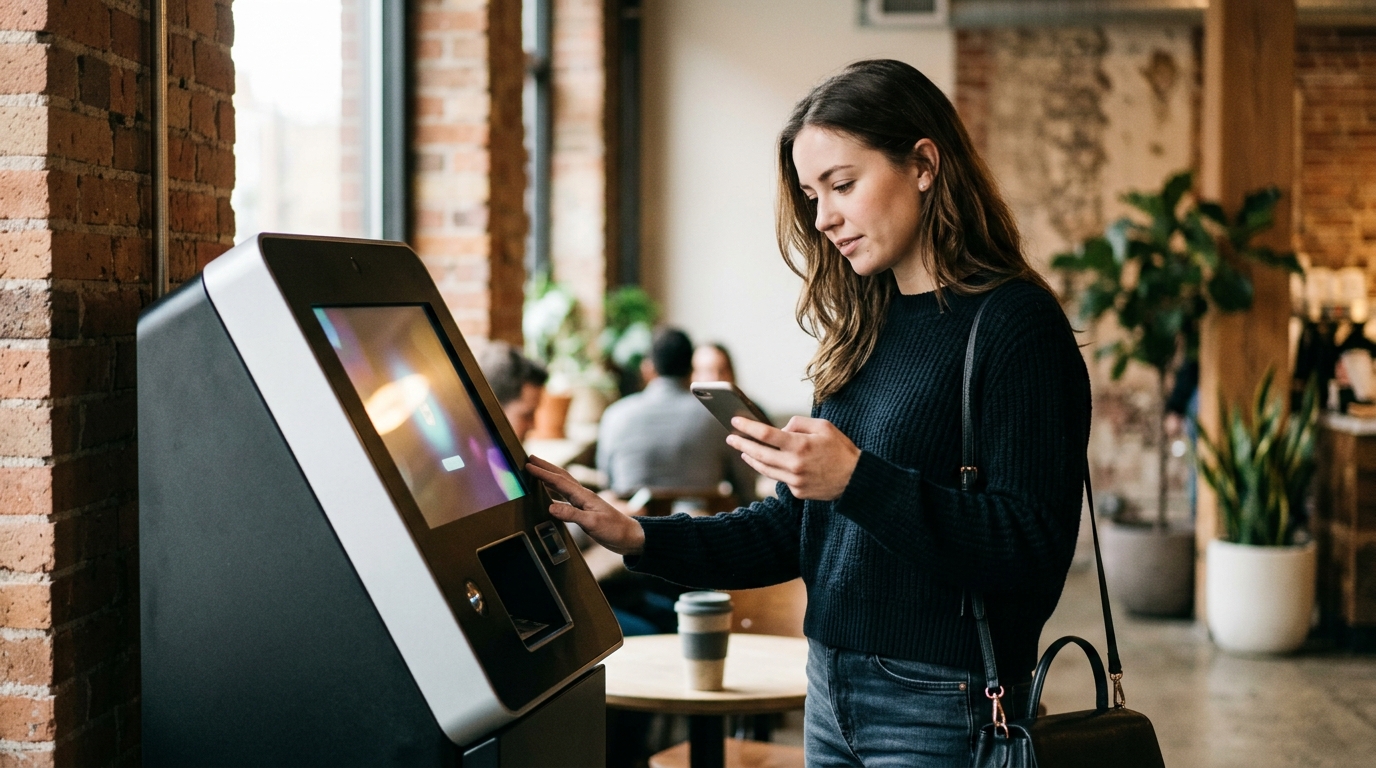
Buying cryptocurrency at a Bitcoin ATM is often marketed as the fastest way to enter the digital asset space. However, the convenience of a physical kiosk can mask significant risks for first-time users. Data indicates that nearly 24.6 million unbanked Americans rely on these machines for financial access, yet many fall victim to avoidable errors. This guide details the most frequent pitfalls and provides the exact steps to secure your investment safely.
Mistake 1: Skipping Identity Verification
One of the most critical errors beginners make is attempting to bypass the Know Your Customer (KYC) requirements. Bitcoin ATMs are regulated financial instruments. FinCEN regulations mandate that operators verify user identity for transactions exceeding specific thresholds. Attempting to skip this step will result in a failed transaction or account suspension.
How to Avoid It: Always prepare your identification documents before arriving at the kiosk. Ensure your government-issued ID is valid and clearly legible. For larger transactions, you may need to verify your phone number or email address through the Byte Federal registration portal prior to visiting the machine. Pre-verification significantly reduces wait times and ensures compliance with federal banking laws.
Mistake 2: Using an Unverified Wallet
Transferring Bitcoin to an incorrect or incompatible wallet address is a catastrophic error. Unlike traditional banking, cryptocurrency transactions are irreversible. If you send funds to the wrong address, they are lost forever. Beginners often confuse wallet types, such as sending Bitcoin to an Ethereum-only address.
How to Avoid It: Use a reputable, self-custody wallet like ByteVault or other industry-standard non-custodial solutions. Before scanning the QR code, double-check the first and last four characters of the address. Ensure the wallet supports the specific cryptocurrency you are purchasing. For enhanced security, consider using ByteAuth for passwordless, biometric authentication to protect your wallet keys from unauthorized access.
Mistake 3: Ignoring Transaction Fees
Bitcoin ATMs typically charge higher fees than centralized exchanges. These fees can range from 10% to 20% depending on the operator and transaction size. Beginners often fail to read the fee disclosure screen, leading to surprise deductions from their purchase amount. This significantly impacts the effective price per coin.
How to Avoid It: Review the fee schedule displayed on the ATM screen before inserting cash. Compare the total cost against online exchange rates. If you are making a large investment, consider using a developer API or bulk purchase option if available, which may offer reduced rates. Always calculate the net amount of Bitcoin you will receive after fees are applied.
Mistake 4: Neglecting Physical Security
Using a Bitcoin ATM in an isolated or poorly lit location exposes users to physical theft. Because the transaction involves cash, you become a target for criminals. Additionally, skimming devices or camera tampering can compromise your personal data during the verification process.
How to Avoid It: Always choose a Bitcoin ATM located in a high-traffic, well-lit public area. Byte Federal operates over 500 kiosks in secure, monitored environments. Never share your wallet seed phrase or private keys with anyone. If the ATM looks tampered with or suspicious, walk away and find another location. Your safety is more important than completing the transaction immediately.
Mistake 5: Choosing the Wrong Network
Many beginners confuse Bitcoin (BTC) with other cryptocurrencies like Ethereum (ETH) or Solana (SOL). Sending Bitcoin to a non-Bitcoin network address results in permanent loss of funds. Furthermore, some ATMs support multiple coins, and selecting the wrong one can lead to significant value discrepancies due to market volatility.
How to Avoid It: Verify that your wallet address matches the cryptocurrency you intend to buy. Use the currency converter tool on the Byte Federal website to check current exchange rates and network compatibility. Ensure your wallet is set to receive the exact asset type specified by the ATM screen.
ATM Service Comparison
Not all Bitcoin ATMs offer the same level of security, fee structure, or supported assets. Below is a comparison of key features to help you choose the right service.
| Feature | Byte Federal | Generic ATM Operator | Online Exchange |
|---|---|---|---|
| Fee Structure | Transparent, competitive | Often hidden, high | Low trading fees |
| Security | High, monitored locations | Variable | High, digital only |
| Verification | Integrated KYC | Manual, slow | Automated |
| Support | 24/7 Dedicated | Limited | Chat/Email |
Key Takeaways
- Verify First: Complete your KYC verification online before visiting the ATM to speed up the process.
- Check Fees: Always review the fee disclosure screen to understand the total cost of your transaction.
- Secure Your Wallet: Use a self-custody wallet like ByteVault and enable biometric authentication.
- Double-Check Addresses: Verify the first and last characters of the wallet address to prevent irreversible errors.
- Choose Safe Locations: Opt for ATMs in high-traffic, well-lit areas to minimize physical security risks.
- Understand Networks: Ensure your wallet supports the specific cryptocurrency network you are using.
- Stay Informed: Regularly check industry news for updates on regulations and best practices.
Frequently Asked Questions
What is the minimum transaction amount for a Bitcoin ATM?
The minimum transaction amount varies by operator but is typically around $10 to $20. Some machines may have higher limits depending on local regulations.
How long does a Bitcoin ATM transaction take?
Transactions usually take between 10 to 30 minutes to confirm on the blockchain. However, some ATMs offer instant transfer options for a higher fee.
Can I reverse a Bitcoin ATM transaction?
No, cryptocurrency transactions are irreversible. Always double-check your wallet address and the amount before confirming the transaction.
Do I need to pay taxes on Bitcoin ATM purchases?
Yes, cryptocurrency transactions are subject to tax laws in most jurisdictions. Keep records of your purchases for tax reporting purposes.
How do I find the nearest Bitcoin ATM?
You can use the location finder on the Byte Federal website to locate the nearest secure kiosk.
Is it safe to use a Bitcoin ATM?
Yes, if you follow security best practices such as verifying the machine, using a secure wallet, and transacting in a safe location.
What happens if I send Bitcoin to the wrong address?
If you send Bitcoin to an incorrect address, the funds are lost and cannot be recovered. Always verify the address before sending.
Start Your Secure Journey
Avoiding these common mistakes ensures a smooth and secure entry into the world of cryptocurrency. By prioritizing verification, security, and fee awareness, you can confidently navigate the Bitcoin ATM landscape. Visit Byte Federal today to find a secure kiosk near you and start your journey with confidence.