
Bitcoin has evolved from a niche digital experiment into a critical component of the global financial infrastructure. In 2026, the network continues to demonstrate resilience, with market valuations reflecting its status as a primary store of value. According to recent market data, Bitcoin trades near $79,772, highlighting its sustained relevance in an increasingly digital economy. This guide explores the technical foundations of Bitcoin, the evolving landscape of financial access, and how modern infrastructure providers are securing the future of peer-to-peer transactions. (About Byte Federal American)
What is Bitcoin and How Does It Work?
Bitcoin is a decentralized digital currency that operates without a central bank or single administrator. It was introduced in a 2008 whitepaper by an anonymous entity known as Satoshi Nakamoto. The system relies on a peer-to-peer network to verify and record transactions via a public ledger called the blockchain. This architecture ensures that no single point of failure can compromise the network.
The underlying technology, blockchain, is a distributed database that updates simultaneously across multiple locations. This consensus mechanism prevents double-spending and ensures the integrity of the ledger. As of 2026, the network has processed billions of transactions, serving millions of users who value financial sovereignty. The scarcity of Bitcoin, capped at 21 million coins, continues to drive its adoption as a hedge against inflation.
Understanding Bitcoin requires recognizing its dual nature. It is both a payment system and a monetary asset. Users can send value across borders instantly, or hold it as a long-term investment. This flexibility has attracted a diverse range of participants, from individual retail investors to large institutional funds. The network's security is maintained by miners who validate blocks of transactions in exchange for newly minted Bitcoin.
The Security Challenge in Digital Assets
As Bitcoin adoption grows, so does the sophistication of cyber threats. Traditional security models, such as password-based authentication, are increasingly inadequate for protecting high-value digital assets. Statistics indicate that 81% of breaches involve stolen or weak passwords. This vulnerability extends to crypto exchanges and personal wallets, where a single compromised credential can lead to irreversible loss.
The problem is not just technical but also user-centric. Users often reuse passwords across platforms, creating a domino effect of security failures. Furthermore, the average user spends significant time managing credentials, leading to friction and frustration. This inefficiency drives demand for more robust, user-friendly security solutions that do not sacrifice safety for convenience.
Byte Federal addresses these challenges by integrating Bitcoin cryptography into everyday authentication. By leveraging the same security protocols that protect the Bitcoin network, we provide a layer of defense that is both familiar and impenetrable. This approach shifts the burden of security from the user to the underlying cryptographic infrastructure.
ByteAuth: Passwordless Authentication
ByteAuth is a passwordless authentication system powered by Bitcoin cryptography. It eliminates the need for traditional passwords by using biometric verification and cryptographic keys. This system is built on the secp256k1 curve, which is the same elliptic curve cryptography used to secure Bitcoin transactions. This ensures that the authentication process is as secure as the asset being protected.
The authentication process is streamlined into four simple steps. First, a dynamic QR code is displayed on the login page. Second, the user scans this code using the ByteVault app. Third, the app signs the challenge using the user's private key, verified by Face ID or Touch ID. Finally, the server verifies the signature, granting access in under three seconds.
This method offers several advantages over traditional authentication. It is phishing-resistant because the cryptographic challenge is unique to each session. It supports cross-device functionality, allowing users to log in from any device with the app. It also enforces self-custody, meaning users retain full control over their identity keys. This is a significant shift from platform-dependent authentication methods.
For developers, ByteAuth provides SDKs for popular frameworks like Laravel and Next.js. This allows for seamless integration into existing applications. The open-source nature of the SDKs ensures transparency and community-driven improvements. By adopting ByteAuth, businesses can enhance their security posture while improving the user experience.
Access Infrastructure and ATMs
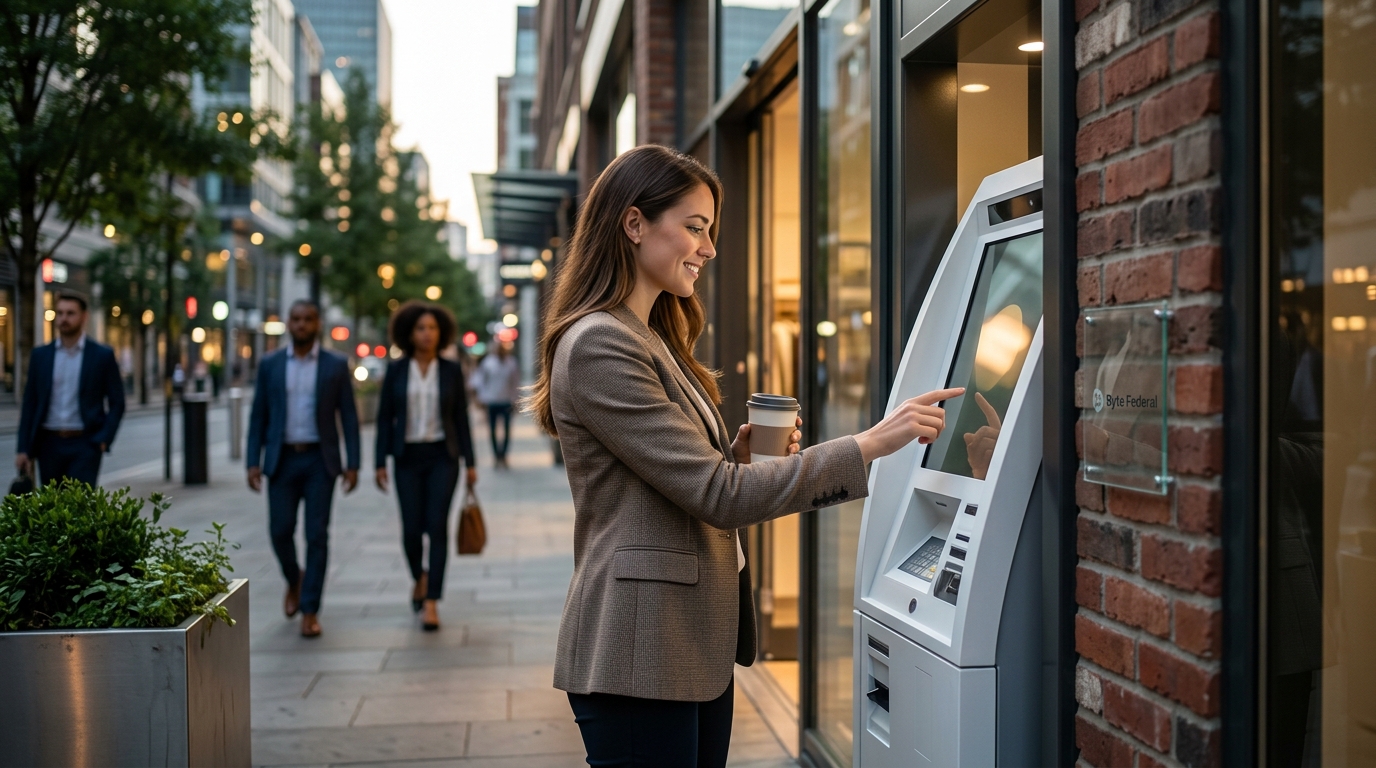
Access to Bitcoin remains a critical factor in its widespread adoption. While online exchanges are popular, cash-to-crypto ATMs provide a vital entry point for users who prefer physical transactions. Byte Federal operates a network of Bitcoin ATMs across the United States, serving over 42 states. This infrastructure ensures that users can buy and sell Bitcoin quickly and securely.
The ATM network is designed for ease of use. Users can search for the nearest location using the Byte Federal website or app. The machines support instant transactions, allowing users to receive Bitcoin directly to their wallets. This immediacy is crucial for traders who need to react to market movements in real-time.
Furthermore, Byte Federal is actively involved in the policy landscape surrounding Bitcoin ATMs. With states debating bills that could restrict access, the company advocates for lawful financial freedom. According to advocacy groups, these regulations could impact the 24.6 million unbanked Americans who rely on alternative financial services. Byte Federal's mission is to ensure that Bitcoin remains accessible to all who seek it.
The company also offers kiosk advertising solutions, allowing businesses to reach tech-savvy users directly. With over 1,000 ATMs and millions of monthly recurring users, this platform offers unique marketing opportunities. Advertisers can target specific regions or display nationwide campaigns, leveraging the high traffic of crypto kiosks.
Hardware Wallets and Vault Security
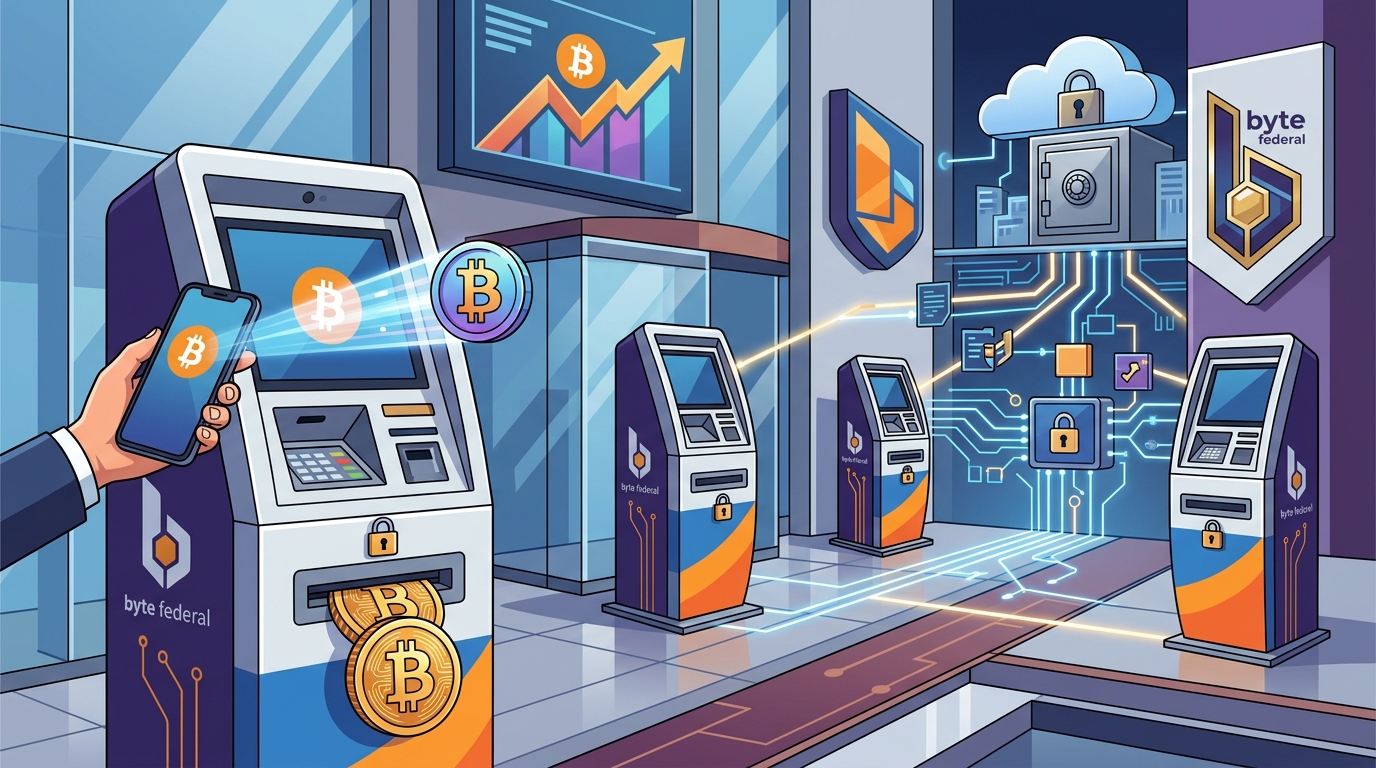
For long-term holders, security is paramount. Hardware wallets provide an offline storage solution that protects private keys from online threats. Byte Federal offers a range of hardware wallet options, including the ByteVault, which is designed for maximum security and ease of use.
The ByteVault integrates seamlessly with the ByteAuth system, providing a unified security ecosystem. Users can manage their assets with confidence, knowing that their keys are protected by military-grade encryption. The device supports multiple cryptocurrencies, making it a versatile tool for diversified portfolios.
In addition to hardware, Byte Federal provides educational resources to help users understand best practices for security. This includes guides on setting up wallets, verifying addresses, and recognizing phishing attempts. Education is a key component of financial literacy, empowering users to make informed decisions.
The company also offers API access for developers who wish to build custom solutions. This includes integration with POS systems and real estate platforms, expanding the utility of Bitcoin beyond simple transactions. By providing these tools, Byte Federal supports the broader ecosystem of Bitcoin innovation.
Key Takeaways
- Bitcoin trades near $79,772 in 2026, maintaining its status as a leading digital asset.
- 81% of cyber breaches involve weak or stolen passwords, highlighting the need for better authentication.
- ByteAuth uses Bitcoin's secp256k1 cryptography for passwordless, biometric login in under 3 seconds.
- Byte Federal operates Bitcoin ATMs in 42+ states, serving over 500,000 verified reviews.
- The network supports over 1,000 ATMs with more than 100,000 daily impressions for advertisers.
- Hardware wallets like ByteVault provide offline storage for maximum security of private keys.
- Regulatory efforts are ongoing to protect the right to access Bitcoin via cash-to-crypto kiosks.
Frequently Asked Questions
What is the current price of Bitcoin?
As of 2026, Bitcoin is trading around $79,772. Prices fluctuate based on market demand and global economic conditions.
How does ByteAuth work?
ByteAuth uses a QR code and biometric verification to authenticate users without passwords. It relies on Bitcoin's secp256k1 cryptography for security.
Where are Byte Federal ATMs located?
Byte Federal operates Bitcoin ATMs in over 42 states across the United States. Users can find locations via the website or app.
Is Bitcoin secure?
Yes, Bitcoin is secured by a decentralized network of miners. However, user security depends on proper key management and authentication methods.
What is a hardware wallet?
A hardware wallet is a physical device that stores private keys offline, protecting them from online hacking attempts.
Can I advertise on Byte Federal ATMs?
Yes, Byte Federal offers kiosk advertising solutions for businesses looking to reach crypto users.
How do I buy Bitcoin at an ATM?
Visit a Byte Federal ATM, scan your wallet QR code, insert cash, and confirm the transaction.
Secure Your Bitcoin Future Today
Whether you are looking to buy Bitcoin, secure your assets with a hardware wallet, or integrate passwordless authentication into your application, Byte Federal provides the tools and infrastructure you need. Explore our ATM locations to find a kiosk near you. Learn more about ByteAuth for developers, or check out our crypto wallet solutions. For API access and custom integrations, visit our developer portal. Join the financial revolution and take control of your assets with Byte Federal.