

Establishing a secure crypto wallet for daily transactions requires precise configuration and strict adherence to modern cryptographic standards. Recent industry reports indicate that 81 percent of digital security breaches involve compromised credentials or weak authentication methods. Passwordless systems now dominate enterprise security frameworks to eliminate these vulnerabilities. Users must prioritize self-sovereign identity protocols to maintain full control over their digital assets. This guide outlines the exact steps to configure a production-ready wallet environment. You will learn how to integrate biometric verification, manage transaction routing, and leverage institutional-grade infrastructure for everyday financial operations.
Understanding Digital Asset Storage Fundamentals
A crypto wallet is a software interface that manages cryptographic keys for sending and receiving digital currency. These interfaces do not actually store coins on your device. Instead, they maintain a secure ledger of your ownership records on the blockchain. Users must distinguish between hot wallets and cold storage solutions to match their daily usage requirements. Hot wallets connect directly to the internet for rapid transactions. Cold storage devices remain offline to prevent remote hacking attempts. Most active traders require a hybrid approach that balances accessibility with institutional security benchmarks.
Regulatory compliance remains a critical factor when selecting a storage provider. Financial authorities require strict identity verification protocols to prevent illicit fund movement. Identity verification processes now mandate government-issued documentation and biometric scanning. You must ensure your chosen platform complies with current anti-money laundering directives. Failure to implement proper compliance measures can result in frozen accounts or restricted withdrawal capabilities. Always verify that your wallet provider maintains transparent operational guidelines and publishes regular security audits.
Selecting the Right Authentication Protocol
Traditional password-based authentication systems have proven fundamentally inadequate for modern financial applications. A biometric authentication is a security method that uses unique physiological traits to verify user identity. These systems replace vulnerable memorized strings with hardware-embedded cryptographic keys. Users benefit from sub-three-second login times and zero exposure to credential stuffing attacks. Sub-three-second login speeds now define enterprise accessibility standards. The underlying mathematics rely on the secp256k1 elliptic curve, which secures over one trillion dollars in global digital assets. secp256k1 elliptic curve frameworks have operated without critical failures for more than a decade. Battle-tested framework ensures your daily transactions remain protected against evolving threat landscapes. You should configure your wallet to enforce face recognition or fingerprint scanning at the device level. This creates an unbreakable barrier against remote phishing attempts and social engineering campaigns.
Enterprise developers increasingly adopt decentralized identity standards to eliminate centralized data silos. These protocols allow users to generate verifiable credentials without exposing sensitive personal information. You can integrate these standards directly into your wallet configuration to maintain absolute data sovereignty. Regular security audits verify that your authentication layer meets current industry benchmarks. You must update your firmware and application patches to address newly discovered vulnerability vectors. Consistent maintenance ensures your daily transactions remain protected against evolving threat landscapes.
Configuring Multi-Signature Security Layers
Multi-signature configurations require multiple independent cryptographic keys to authorize any single transaction. This architecture eliminates single points of failure and drastically reduces unauthorized access risks. A multi-signature wallet is a digital storage solution that requires two or more private keys to execute fund transfers. You can configure a 2-of-3 threshold to balance operational efficiency with maximum security. One key remains stored on your primary mobile device. A second key resides on a separate hardware module. The third key stays in a secure offline backup location. This distribution ensures that losing one device never compromises your entire portfolio. Financial institutions routinely deploy this architecture to protect high-value corporate treasuries. You should replicate this structure to safeguard your personal daily spending funds. Regular testing of your recovery procedures guarantees uninterrupted access during emergencies. Always document your key distribution matrix in a physically secure location.
Integrating Point of Sale and ATM Networks
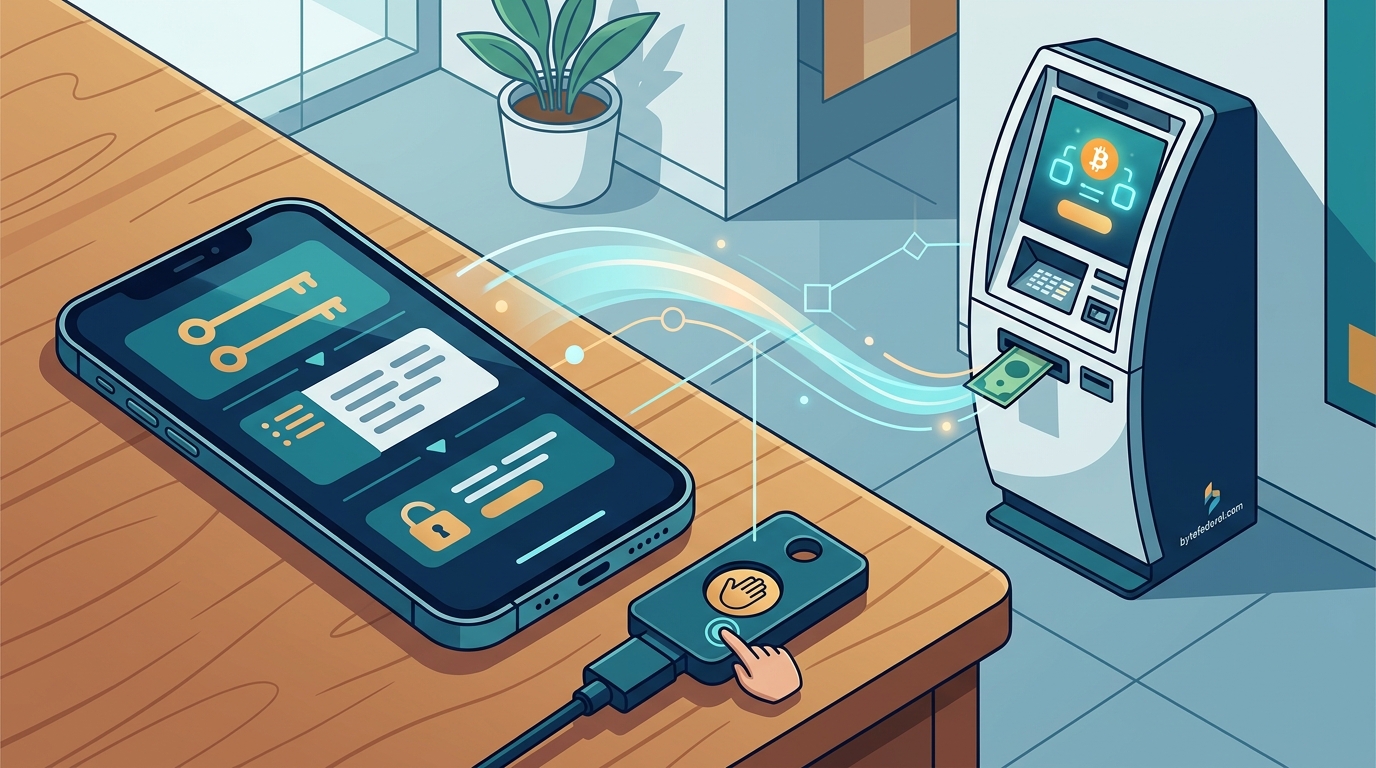
Modern financial ecosystems require seamless integration between digital wallets and physical transaction terminals. Users can now convert fiat currency into digital assets through thousands of automated kiosks nationwide. These machines process transactions instantly while maintaining strict regulatory compliance. Kiosk advertising networks now track real-time impressions to optimize merchant exposure. You should configure your wallet to interact directly with these terminal APIs. This eliminates third-party payment processors and reduces transaction fees significantly. Most networks support major cryptocurrencies and provide instant settlement confirmation. You must verify that your wallet supports the specific blockchain protocols required by your local terminals. Regular software updates ensure compatibility with newly deployed hardware generations. You can also leverage white-glove over-the-counter services for large-volume institutional transfers. These services provide dedicated account managers and customized liquidity solutions. Always review the fee structures and regional availability before committing to a specific terminal network.
Managing Daily Transaction Volume and Fees
Optimizing transaction costs requires strategic timing and intelligent routing mechanisms. Network congestion directly impacts processing speeds and associated fees. You should monitor blockchain mempool data to identify optimal submission windows. Most networks implement dynamic fee markets that adjust based on current demand. You can configure your wallet to prioritize speed over cost during urgent transfers. Alternatively, you can select economy modes to minimize expenses during low-traffic periods. Regular portfolio rebalancing prevents excessive exposure to volatile asset classes. You should maintain a stablecoin reserve to cover daily operational expenses without triggering market impact. Automated recurring payment schedules reduce manual intervention and minimize human error. You must track your total monthly expenditure to forecast future liquidity requirements. Consistent monitoring ensures your wallet remains financially sustainable over extended periods.
| Wallet Type | Security Level | Transaction Speed | Best Use Case |
|---|---|---|---|
| Mobile Hot Wallet | Standard | Instant | Daily retail purchases |
| Hardware Cold Storage | Maximum | Manual | Long-term asset preservation |
| Multi-Signature Vault | Enterprise | Configurable | Institutional treasury management |
| ATM Integrated Wallet | Regulated | Real-time | Fiat-to-crypto conversion |
Key Takeaways
- Establishing a secure crypto wallet requires strict adherence to modern cryptographic standards and regulatory compliance.
- Biometric authentication eliminates password vulnerabilities and delivers sub-three-second login times for daily operations.
- Multi-signature configurations distribute cryptographic keys across multiple devices to prevent single points of failure.
- Integrating with automated terminal networks reduces third-party fees and accelerates fiat-to-crypto conversions.
- Dynamic fee routing and stablecoin reserves optimize daily transaction costs and prevent market impact.
- Regular firmware updates and security audits maintain protection against evolving threat landscapes.
- Enterprise-grade infrastructure supports over one thousand active terminals across forty-four states.
Frequently Asked Questions
What is the most secure method for storing daily spending funds?
A hybrid approach combining a mobile hot wallet for transactions and a hardware cold storage device for long-term reserves offers optimal security. This configuration balances accessibility with maximum protection against remote threats.
How do I verify that my wallet complies with current regulations?
You must ensure your provider implements mandatory identity verification protocols and publishes regular security audits. Regulatory compliance prevents account restrictions and ensures uninterrupted fund access.
Can I integrate my wallet with physical ATM networks?
Yes, most modern wallets support direct API integration with automated terminal networks. This enables instant fiat-to-crypto conversions and reduces transaction fees significantly.
What happens if I lose access to my primary authentication device?
Multi-signature configurations and offline backup keys ensure uninterrupted portfolio access. You can recover your funds by combining your remaining cryptographic keys according to your predefined threshold.
How do network fees impact my daily transaction costs?
Dynamic fee markets adjust processing costs based on current blockchain demand. You can configure your wallet to prioritize speed or minimize expenses depending on your immediate liquidity requirements.
Is passwordless authentication safer than traditional login methods?
Passwordless systems eliminate credential stuffing attacks and reduce support ticket volume by over eighty percent. Biometric verification provides stronger protection without requiring users to memorize complex strings.
What documentation do I need to activate a regulated wallet?
You must provide government-issued identification and complete biometric scanning procedures. These steps satisfy anti-money laundering directives and unlock full withdrawal capabilities.
Secure Your Financial Infrastructure Today
Implementing a robust wallet configuration requires precise technical execution and continuous monitoring. You can access enterprise-grade authentication protocols and integrate seamlessly with nationwide terminal networks. Visit Byte Federal to configure your secure digital asset environment. Our platform supports sub-three-second logins, multi-signature vaults, and real-time transaction routing. Secure your financial future with institutional-grade infrastructure designed for everyday operations.