
Bitcoin ATM Registration Fees and Transaction Costs Across Networks
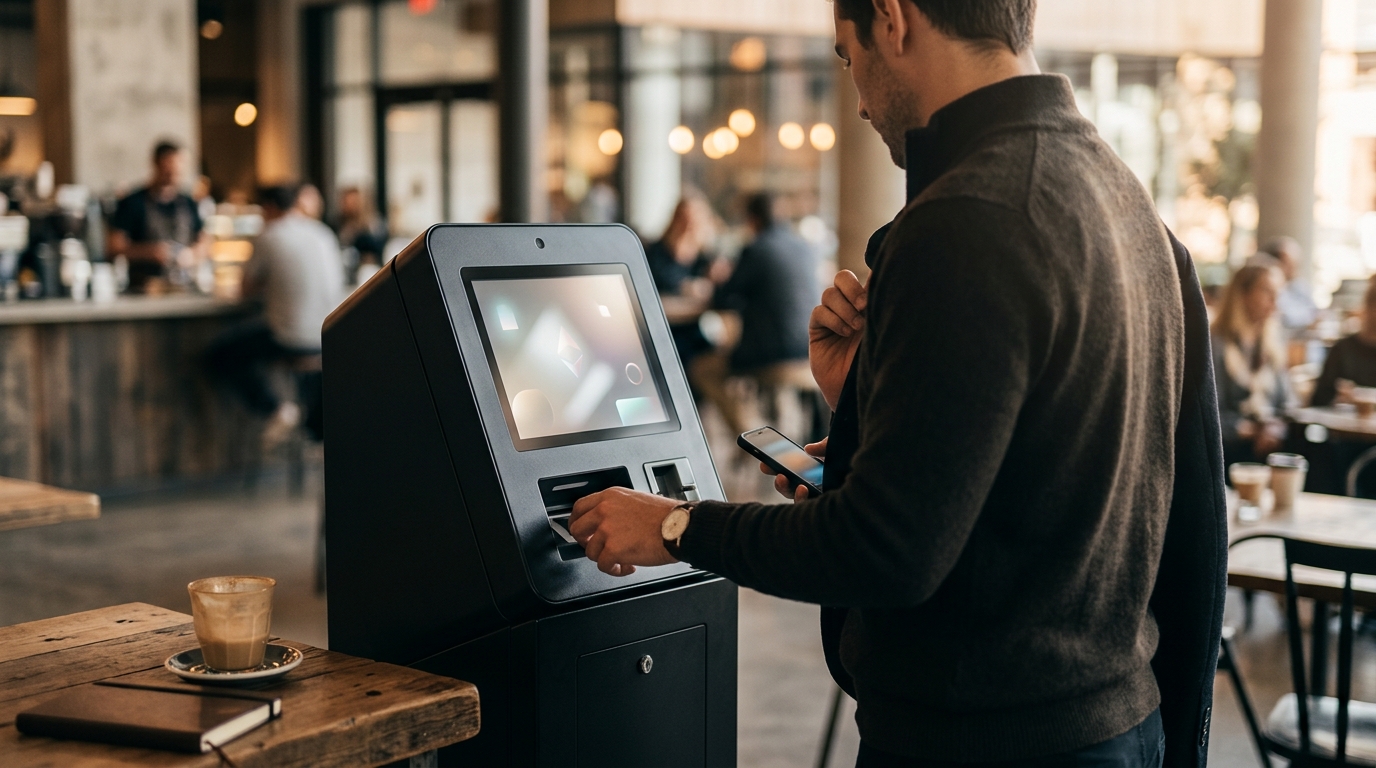
Understanding the true cost of buying cryptocurrency at a Bitcoin ATM is critical for both new investors and seasoned traders. The average transaction fee at a Bitcoin ATM ranges from 10% to 20%, which is significantly higher than traditional exchange platforms. This disparity exists because ATM operators must cover hardware maintenance, regulatory compliance, and liquidity premiums. According to data from the CoinATMRadar industry report, the median fee for cash-to-crypto transactions remains elevated due to the decentralized nature of the network. Navigating these costs requires a clear understanding of how registration, network congestion, and operator margins interact.
Understanding the Fee Structure
Bitcoin ATM fees are not uniform. They vary based on the type of machine, the cryptocurrency being purchased, and the geographic location of the kiosk. The fee structure typically includes a spread, which is the difference between the buy and sell price of the asset, and a flat transaction fee. Bitcoin ATM fees are primarily driven by liquidity premiums and operational overhead.
Operators charge higher fees for smaller transactions to ensure profitability. For example, a $50 transaction might incur a 20% fee, while a $5,000 transaction might drop to 10%. This tiered approach is standard across the industry. Users should always check the fee breakdown displayed on the screen before confirming a transaction. Transparency is key to avoiding unexpected costs.
The spread is often the hidden cost that users overlook. While the displayed fee might be 10%, the actual price of Bitcoin on the ATM might be 5% higher than the market rate. This means the total cost of acquisition could be 15% or more. Understanding this dynamic is essential for accurate budgeting.
Registration and Verification Costs
Regulatory requirements have changed how users interact with Bitcoin ATMs. In many jurisdictions, users must register and verify their identity to transact above certain limits. This process is known as Know Your Customer (KYC) compliance. Registration is a mandatory step for high-volume transactions to ensure legal compliance.
Byte Federal offers a streamlined registration process through its online portal. Users can verify their identity before visiting the ATM, which speeds up the transaction process. This pre-verification reduces the time spent at the kiosk and minimizes errors. The registration process typically involves uploading a government-issued ID and a selfie for biometric verification.
There is no direct fee for registration itself. However, the time and effort required can be a barrier for some users. Byte Federal mitigates this by allowing users to complete verification remotely. This approach aligns with the company's mission to provide seamless financial access. For more details on the verification process, visit the Byte Federal registration page.
Failure to register can result in transaction limits. Unregistered users are often capped at lower daily limits, such as $1,000. This restriction can be frustrating for users who need to move larger amounts of capital. Completing the registration process unlocks higher limits and potentially lower fees.
Network Congestion Impact
Bitcoin network congestion directly affects transaction costs. When the network is busy, miners prioritize transactions with higher fees. This phenomenon is known as the fee market. Network congestion leads to higher miner fees, which are passed on to the user.
During periods of high demand, such as market rallies, Bitcoin transaction fees can spike. This increase is reflected in the ATM's exchange rate. Users who transact during these times may pay a premium for faster confirmation. Waiting for network conditions to normalize can result in significant savings.
Byte Federal monitors network conditions in real-time to provide accurate pricing. The company's API integrates with multiple liquidity providers to ensure competitive rates. This dynamic pricing model helps users avoid excessive costs during peak times. For more information on how network conditions affect pricing, read the Byte Federal API documentation.
Understanding the relationship between network congestion and fees is crucial for strategic trading. Users who time their transactions carefully can reduce their overall costs. This strategy is particularly effective for large transactions where even a small percentage difference matters.
Byte Federal Cost Efficiency
Byte Federal distinguishes itself through competitive pricing and robust infrastructure. The company operates a network of over 1,000 ATMs across the United States. This extensive network allows for economies of scale, which can translate to lower fees for users. Byte Federal's scale enables more competitive pricing compared to smaller operators.
The company also offers a crypto wallet solution that integrates with its ATM network. This integration allows users to store and manage their assets securely. The wallet supports multiple cryptocurrencies, including Bitcoin and Ethereum. Users can transfer funds between their wallet and the ATM seamlessly.
Byte Federal also provides a POS system for merchants who want to accept cryptocurrency. This system reduces the friction of accepting digital assets. For businesses looking to expand their payment options, the Byte Federal POS system is a viable option. The system is designed for ease of use and high reliability.
The company's commitment to transparency is evident in its fee structure. Users can view the exact fees before confirming a transaction. This clarity builds trust and encourages repeat usage. Byte Federal also offers a best crypto wallet guide to help users choose the right storage solution.
Comparing Operator Models
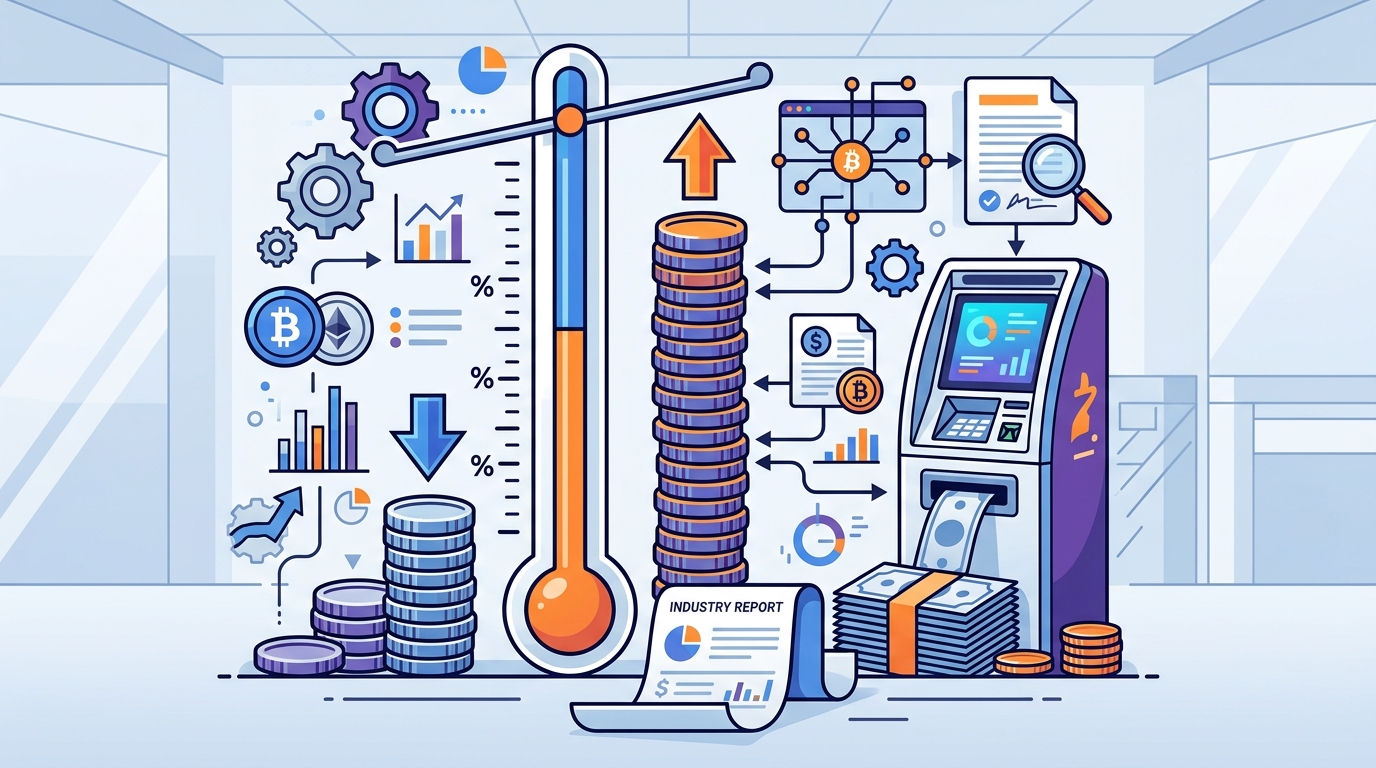
Not all Bitcoin ATM operators use the same business model. Some operators charge flat fees, while others use a percentage-based model. Understanding these differences is essential for cost optimization. Operator business models vary significantly in their fee structures.
| Operator Type | Fee Structure | Pros | Cons |
|---|---|---|---|
| Large Networks | Percentage-based | Lower fees for large transactions | Complex fee breakdowns |
| Independent Operators | Flat fee + Spread | Transparent pricing | Higher fees for small transactions |
| Byte Federal | Dynamic Pricing | Competitive rates, verified network | Requires registration for high limits |
Large networks often have more resources to negotiate better liquidity rates. This advantage can result in lower fees for users. However, they may also have higher operational costs that are passed on to the consumer. Independent operators may offer simpler pricing but lack the scale to offer the best rates.
Byte Federal's dynamic pricing model adjusts to market conditions in real-time. This approach ensures that users always receive a fair price. The company's focus on compliance and security also adds value that goes beyond just price. Users benefit from a reliable and trustworthy service.
Key Takeaways
- Average Bitcoin ATM fees range from 10% to 20%, significantly higher than online exchanges.
- Registration and KYC verification are required for high-limit transactions to comply with regulations.
- Network congestion can cause temporary spikes in transaction fees due to miner prioritization.
- Byte Federal operates over 1,000 ATMs, providing a reliable and extensive network.
- Pre-verification through the Byte Federal portal speeds up the ATM experience.
- Fee structures vary by operator, with large networks often offering better rates for large transactions.
- Understanding the spread is crucial for calculating the true cost of acquisition.
Frequently Asked Questions
What is the average fee for a Bitcoin ATM?
The average fee for a Bitcoin ATM is between 10% and 20%. This fee includes both the spread and the transaction fee. Fees can vary based on the operator and the transaction amount.
Do I need to register to use a Bitcoin ATM?
Registration is required for transactions above certain limits, typically $1,000. This is to comply with KYC regulations. For smaller amounts, registration may not be necessary.
How does network congestion affect ATM fees?
Network congestion increases miner fees, which are passed on to the user. This results in a higher exchange rate on the ATM. Waiting for lower congestion can save money.
Is Byte Federal a reliable ATM network?
Yes, Byte Federal is a highly rated network with over 1,000 ATMs. The company focuses on compliance, security, and user experience. Users can find locations via the Byte Federal website.
Can I avoid high fees at Bitcoin ATMs?
While fees are inherent to the service, you can minimize them by transacting larger amounts and avoiding peak network times. Using a verified network like Byte Federal can also help secure better rates.
What is the spread in Bitcoin ATM fees?
The spread is the difference between the market price of Bitcoin and the price offered by the ATM. It is a hidden cost that users should be aware of when calculating total expenses.
How do I verify my identity for Byte Federal?
You can verify your identity online through the registration portal. The process involves uploading an ID and completing a biometric check.
Start Transacting
Take control of your financial future with Byte Federal. Our network of Bitcoin ATMs offers a secure, fast, and reliable way to buy cryptocurrency. Register today to unlock higher limits and competitive rates. Visit Byte Federal to find a location near you and start your journey into the world of digital assets.