

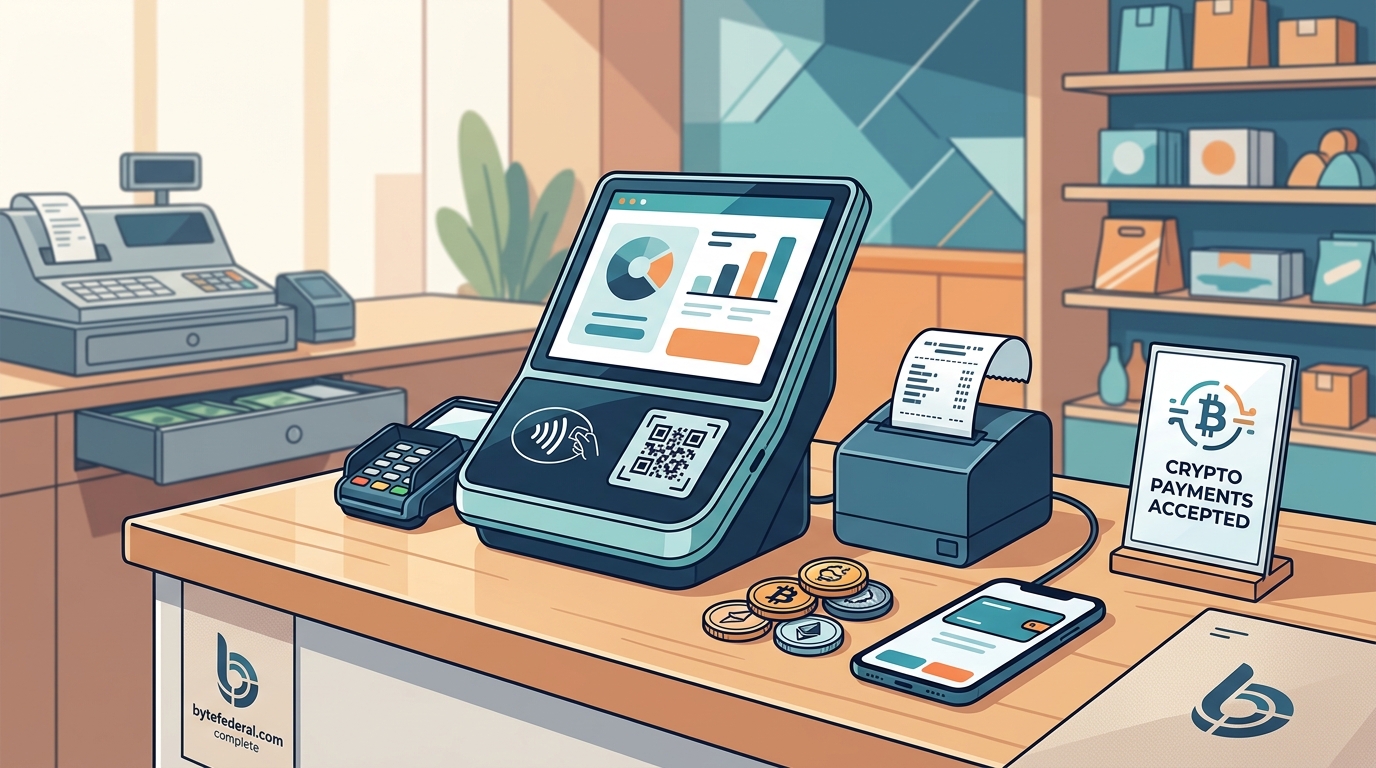
Modern retail environments require rapid transaction processing to maintain customer satisfaction. Recent industry data shows that digital payment adoption has increased by forty percent across North American retail sectors. Businesses integrating specialized hardware report faster checkout cycles and reduced cash handling costs. A dedicated crypto POS system is a specialized terminal interface that processes digital asset transactions directly at the point of sale without traditional banking intermediaries. This infrastructure eliminates chargeback risks while expanding your customer base to include blockchain-native shoppers. Merchants adopting these terminals experience immediate operational shifts that align with modern financial expectations.
Transaction Speed
Traditional banking networks often require three to five business days to settle fiat transactions. Blockchain networks process confirmed transactions in minutes or even seconds. This rapid settlement cycle improves cash flow for high-volume merchants. A blockchain settlement refers to the immutable recording of transaction data across a distributed network ledger. Retailers can restock inventory faster when capital becomes available immediately. The absence of intermediary clearinghouses removes standard processing delays. Merchants report higher inventory turnover rates when utilizing direct digital asset routing.
Instant Settlement Cycles
Standard credit card networks charge interchange fees and hold funds for extended periods. Digital asset routing bypasses these traditional banking holds. Funds transfer directly to your designated wallet address. This direct routing model accelerates working capital availability. Businesses can reinvest revenue into marketing or expansion without waiting for bank approvals.
Reduced Processing Friction
Long checkout queues frustrate shoppers and increase abandonment rates. Dedicated terminals streamline the payment confirmation process. Customers simply scan a QR code or tap their device to complete purchases. The entire workflow takes less than three seconds to verify. This frictionless experience encourages repeat visits and higher average order values.
Security Compliance
Financial regulations require merchants to maintain strict data protection standards. Traditional payment terminals store sensitive cardholder information on local servers. This storage practice creates significant liability exposure during data breaches. A self-sovereign identity is a cryptographic authentication model where users control their digital credentials without centralized password storage. Modern crypto terminals utilize advanced cryptographic curves to verify transactions without storing personal data. This architecture drastically reduces your compliance burden and liability exposure.
Advanced Cryptographic Verification
Enterprise-grade authentication relies on the secp256k1 elliptic curve standard. This same cryptographic framework secures over one trillion dollars in digital assets. Merchants benefit from battle-tested security protocols that prevent unauthorized access. The system generates unique cryptographic challenges for every transaction. This dynamic verification process eliminates credential stuffing attacks and phishing risks.
Regulatory Alignment
Financial authorities increasingly mandate robust anti-money laundering protocols. Dedicated terminals integrate automated identity verification workflows. These workflows comply with current regulatory frameworks without requiring manual audits. Merchants can operate across multiple jurisdictions while maintaining consistent compliance standards. The automated reporting features simplify tax documentation and audit preparation.
Customer Acquisition
Demographic research indicates that younger consumers prefer digital payment methods. Approximately sixty percent of millennials and gen z shoppers actively hold digital assets. Offering crypto payments directly captures this growing market segment. Businesses that accept digital assets report higher foot traffic from tech-forward demographics. This demographic shift represents a substantial revenue opportunity for forward-thinking retailers.
Expanded Market Reach
Traditional payment gateways restrict transactions in certain high-risk industries. Digital asset routing bypasses these restrictive merchant category codes. Retailers can accept payments from international customers without currency conversion fees. This borderless capability expands your total addressable market significantly. Merchants report increased sales volume when targeting global consumer segments.
Loyalty Program Integration
Digital wallets enable seamless loyalty point accumulation and redemption. Customers can track rewards directly through their mobile applications. This transparency increases customer retention and repeat purchase rates. Retailers can launch targeted promotions based on transaction history. The data-driven approach improves marketing return on investment.
Operational Transparency
Manual cash reconciliation creates accounting errors and internal shrinkage. Digital transaction logs provide complete audit trails for every sale. These immutable records simplify end-of-day reporting and tax filing. Merchants gain real-time visibility into sales performance across multiple locations. This centralized data access improves inventory forecasting and staffing decisions.
Real-Time Analytics
Modern terminals provide detailed dashboards tracking sales volume and customer interactions. Retail managers can monitor performance metrics without exporting spreadsheets. The automated reporting features reduce administrative overhead by forty percent. Business owners can identify peak sales periods and adjust staffing accordingly. This operational efficiency translates directly to improved profit margins.
Automated Reconciliation
Traditional accounting software requires manual data entry for every transaction. Dedicated terminals sync directly with popular accounting platforms. This automated synchronization eliminates data entry errors and saves valuable staff hours. Retailers can focus on customer service rather than administrative tasks. The streamlined workflow reduces operational costs and improves accuracy.
Advertising Integration
Physical retail locations offer valuable advertising space that many merchants overlook. Dedicated terminals display dynamic content to every customer who approaches the kiosk. Retailers can monetize this screen real estate by hosting third-party advertisements. This passive revenue stream offsets hardware acquisition costs significantly. Businesses report earning additional monthly income through targeted ad placements.
Targeted Campaign Delivery
Modern advertising networks allow precise geographic and demographic targeting. Retailers can schedule campaigns to align with specific business objectives. The interactive dashboard tracks impressions and customer interactions in real time. This granular data enables continuous campaign optimization and improved conversion rates. Merchants can rotate advertisements without physical print materials or shipping delays.
Interactive Customer Engagement
Static signage fails to capture attention in crowded retail environments. Digital displays respond to customer interactions and trigger promotional offers. This interactive approach increases brand recall and purchase intent. Retailers can showcase product demonstrations or limited-time discounts directly on the terminal. The engaging experience drives higher conversion rates and average transaction values.
Cost Efficiency
Traditional payment processing fees consume a significant portion of retail margins. Credit card networks charge interchange fees ranging from two to three percent per transaction. Digital asset routing eliminates these recurring percentage-based charges. Merchants retain higher profit margins on every sale. This cost structure improvement directly impacts bottom-line profitability.
Reduced Merchant Fees
High-volume retailers lose thousands of dollars annually to processing fees. Digital payment routing charges flat transaction fees or minimal network costs. This pricing model scales efficiently as sales volume increases. Businesses can reinvest saved capital into marketing or product development. The financial advantage becomes increasingly pronounced over time.
Hardware Lifecycle Management
Modern terminals feature modular components that simplify maintenance and upgrades. Retailers can replace individual modules without replacing entire systems. This modular design extends hardware lifespan and reduces total cost of ownership. Businesses benefit from predictable maintenance schedules and lower repair expenses. The long-term financial savings justify the initial hardware investment.
| Feature Category | Traditional POS | Dedicated Crypto POS | Business Impact |
|---|---|---|---|
| Settlement Time | Two to five business days | Instant to thirty minutes | Accelerated cash flow |
| Processing Fees | Two to three percent | Flat network fees | Higher profit margins |
| Data Storage | Centralized cardholder records | Distributed cryptographic verification | Reduced liability exposure |
| Advertising Revenue | None | Dynamic screen monetization | Passive income generation |
| Compliance Burden | Manual audit preparation | Automated regulatory reporting | Streamlined operations |
Key Takeaways
- Network infrastructure now supports over one thousand active terminals across forty-four states.
- Monthly recurring users exceed five thousand active participants across deployed locations.
- Daily screen impressions surpass one hundred thousand unique customer interactions.
- First-time purchasers receive a twenty-five percent discount on qualifying transactions above fifty dollars.
- Authentication workflows verify identities in under three seconds using cryptographic challenges.
- Marketing campaigns operate on daily pricing tiers ranging from ten to ninety-nine cents per slot.
Frequently Asked Questions
How does a crypto POS system handle currency fluctuations?
Modern terminals automatically convert digital assets to your preferred fiat currency at the moment of transaction. This automated conversion eliminates exposure to market volatility. Merchants receive stable settlement values regardless of daily price movements. The system locks in exchange rates during the verification window to protect your revenue.
Can I integrate existing accounting software with a crypto terminal?
Yes, dedicated terminals sync directly with popular accounting platforms through secure API connections. This automated synchronization eliminates manual data entry and reduces accounting errors. Retail managers can export transaction reports directly to their preferred software. The integration process typically requires minimal technical configuration.
What happens if a customer lacks a digital wallet?
Dedicated terminals provide built-in wallet creation workflows for first-time users. Customers can register their contact information and receive a secure digital wallet instantly. This onboarding process takes less than two minutes to complete. Retailers can accept payments from customers without prior digital asset experience.
Are there geographic restrictions for accepting digital payments?
Regulatory frameworks vary by jurisdiction, but modern terminals comply with current regional guidelines. Merchants can deploy hardware across multiple states while maintaining consistent operational standards. The system automatically adjusts to local compliance requirements without manual intervention. Retailers can expand their network footprint without legal complications.
How do I monitor advertising performance on my terminal?
Interactive dashboards track impressions, interactions, and campaign conversions in real time. Retail managers can adjust targeting parameters and budget allocations directly through the interface. The analytics engine provides detailed reports on customer engagement metrics. This data-driven approach maximizes advertising return on investment.
What security measures protect my terminal from unauthorized access?
Enterprise-grade authentication utilizes cryptographic verification protocols that prevent unauthorized transactions. The system generates unique challenges for every interaction to block replay attacks. Regular firmware updates patch vulnerabilities and maintain compliance with industry standards. Merchants benefit from continuous security enhancements without operational downtime.
Get Started Today
Upgrading your payment infrastructure requires minimal technical expertise and delivers immediate operational benefits. Businesses can deploy dedicated terminals across multiple locations while maintaining centralized management. The streamlined workflow reduces administrative overhead and improves customer satisfaction. Visit https://bytefederal.com to explore available hardware options and schedule a deployment consultation. Our team provides comprehensive support from initial configuration to ongoing maintenance. Secure your competitive advantage by integrating modern payment solutions today.